
How to Celebrate MassKara Like a Local: Tips, Spots, and What to Wear

Every October, Bacolod City bursts into a kaleidoscope of color, music, and laughter as it hosts one of the Philippines’ most iconic festivals: the MassKara Festival. Known as the “Festival of Smiles,” MassKara is more than just a spectacle—it’s a deeply rooted cultural celebration that reflects the resilience, optimism, and vibrant spirit of the Negrense people. If you’re planning to join the festivities, here’s your ultimate local-style guide to truly celebrate MassKara like a Bacolodnon.


Understand the Heart of the Festival

Before diving into the parties and parades, get to know why MassKara exists. The smiling masks symbolize the enduring optimism of the people. Keeping this background in mind will give your experience deeper meaning.


When to Go: Time Your Visit Right

MassKara usually peaks in the third or fourth weekend of October, with events stretching over three weeks. For the full experience, arrive a few days before the grand parade. This gives you time to explore the city, watch preliminary contests, and attend both government-sponsored and private events.


What to Wear: Dress the Part

Locals enjoy dressing up for MassKara, combining comfort with flair. Here’s what to pack:

  • Bright, breathable clothing: The weather is hot, and the streets are packed. Opt for light fabrics in festive colors, such as red, yellow, or neon hues.
  • Custom MassKara shirts: These are sold everywhere and make great souvenirs. Locals often wear shirts that represent their barangays or schools.
  • Comfortable shoes: You’ll be walking a lot—opt for sneakers or sandals with good support.
  • Accessories: Glitter, flower crowns, colorful shades, and even small masks. It’s okay to be extra.
  • Rain gear: October is part of the rainy season, so bring a light raincoat or umbrella—preferably in a loud color!


Must-Visit Spots During MassKara


  • Lacson Street 

This is the central hub (main festival strip) of MassKara. By day, enjoy pop-up shops, food stalls, and dance stages. By night, this becomes Electric MassKara, with neon lights, DJs, and a massive street party.


  • Bacolod Public Plaza

The venue where the original MassKara dance competition choreographed performances, cultural shows, and a vibrant local crowd take place.


  • SM City Bacolod & Ayala Malls Capitol Central

These malls host various events like MassKara fashion shows, mask-making contests, and live bands. These malls serve as excellent venues for unwinding, shopping, and taking in local performances.


  • Barangay Competitions

Want to experience MassKara like a real local? Visit barangay-level events, often held at community gyms or streets. These are raw, authentic, and fun.


  • The Art District

At night, Bacolod’s Art District in Lopue’s Mandalagan transforms into a party hub. Mingle with locals, enjoy indie music, and explore quirky art installations.


Eat Like a Local

Food is a big part of MassKara. Here’s what locals indulge in during the festival:


MassKara Like a Local: Do’s and Don’ts


Do:
  • Learn a few local phrases. “Palangga ta ka” (I love you) or “Gani man!” (Exactly!) go a long way.
  • Join the dancing. Locals don’t just watch—they dance along the streets.
  • Support local artisans. Buy handcrafted masks, shirts, and accessories.
  • Bring cash. Many stalls don’t accept cards or GCash.
Don’t:
  • Don’t just stay in hotels. Go where the locals go—try local eateries and public events.
  • Avoid wearing dark clothes at night. It’s a safety thing.
  • Don’t be passive. Participation is the key to the experience!
Insider Tips
  • Book early: Flights and hotels sell out fast, often months in advance.
  • Stay central:  Accommodations near Lacson Street or the downtown area give you front-row access to events.
  • Use public transport or walk: Roads are blocked during events. Jeepneys and tricycles are your best bet.
  • Stay hydrated: The crowd, heat, and excitement can drain you quickly.
  • Ask locals for tips: Bacolodnons are known for being friendly and welcoming.

MassKara transcends beyond a mere festival, embodying a unique vibe, a mindset, and a celebration of life amidst adversity. By embracing the music, joining the dance, tasting the food, and smiling along with everyone, you’ll experience Bacolod not as a tourist but as one of its own. So wear your brightest outfit, bring your best energy, and get ready to smile your way through MassKara like a local.

VKP, BACOLOD CITY: READY, JET SET, GO!


An Extensive Guide to the Beach Resorts of Cauayan, Sipalay, and Hinoba-an

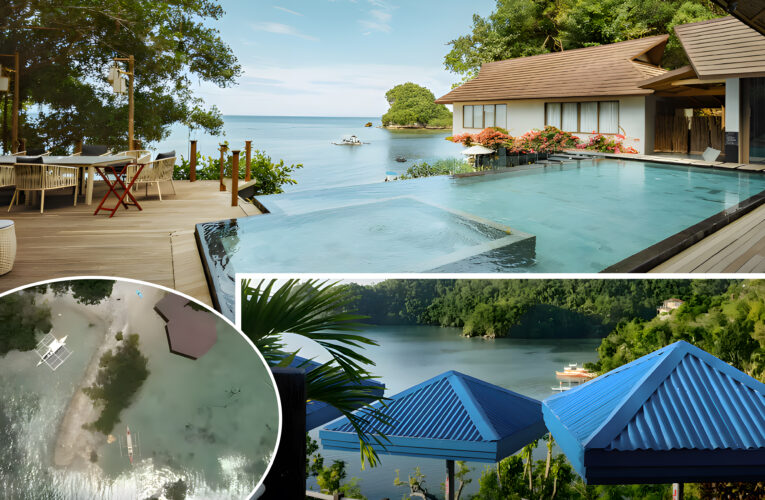
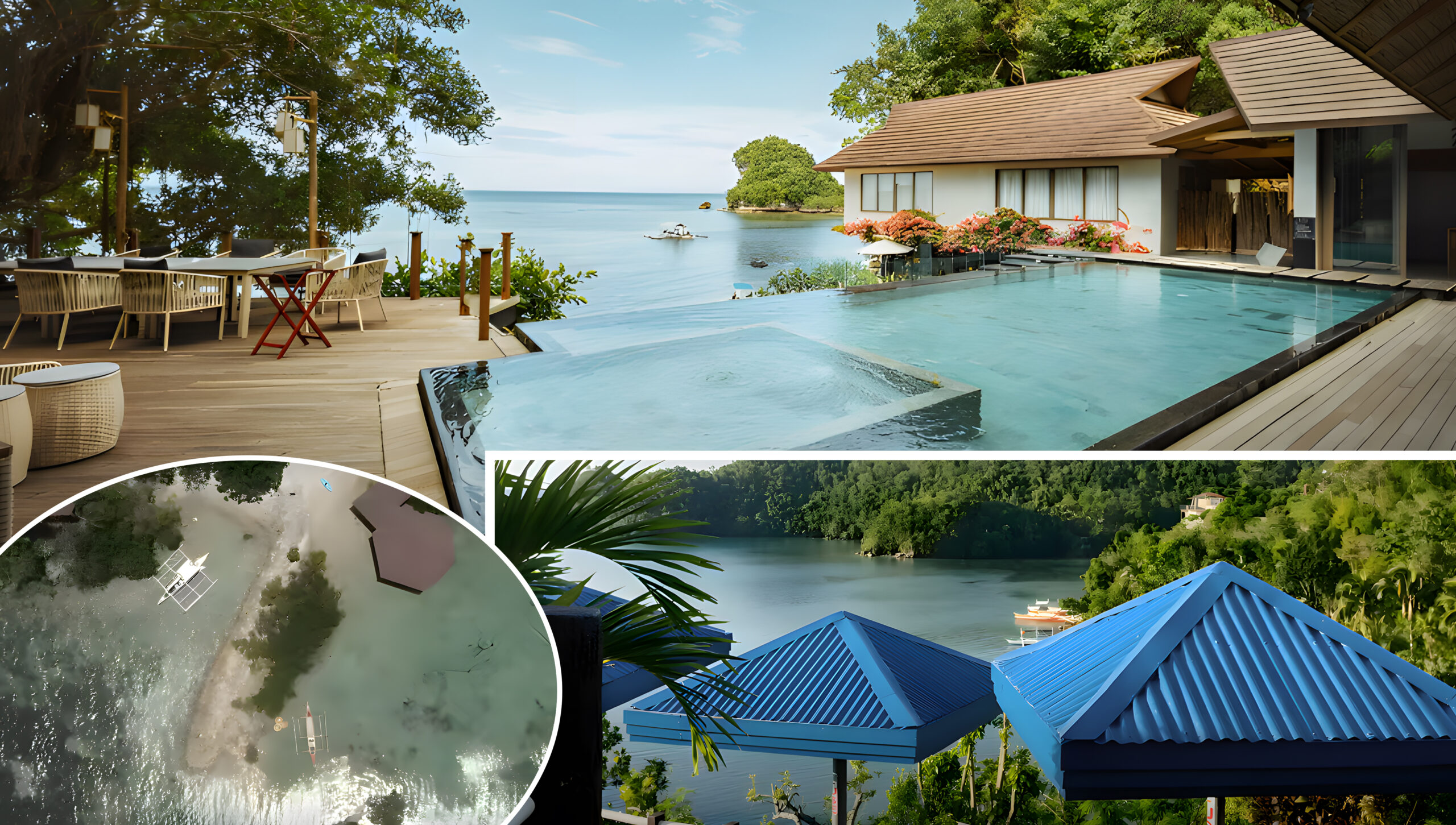
(Clockwise: Manami Resort; Perth Beach Paradise Resort; and Danjugan Island)


That’s why the beaches in the south are gaining traction. Cauayan, Sipalay, and Hinobaan beaches are our go-to places here…


When Bacolodnons or Negrenses yearn for sun, sand, and sea, they don’t head north or just a few kilometers out of Bacolod City. Instead, they embark on a scenic road trip deep into the southern coast of Negros Occidental to visit the renowned beach havens of Cauayan, Sipalay, and Hinoba-an. Despite their distance from Bacolod (roughly 4–6 hours away), these southern beach towns have earned a reputation as Negros Island’s premier coastal escapes. But why do locals overlook beaches nearer to the city, and what steps can we take to enhance the tourism environment surrounding Bacolod? Let’s dive into the rich offerings and broader potential of these treasured destinations.


CAUAYAN: Wild, Romantic, and Untamed

Cauayan is perfect for nature enthusiasts and conservation-minded tourists. It offers exclusivity, natural beauty, and an escape from crowds. The marine biodiversity is untouched, making it ideal for divers and snorkelers.


Danjugan Island 

A crown jewel of ecotourism, Danjugan is a marine sanctuary and nature reserve. The island offers a variety of activities, including snorkeling, kayaking, birdwatching, and environmental education. Covering 43 hectares, Danjugan is a biological treasure trove. Surrounded by vast seagrass beds and fringing coral reefs, it features five lagoons, white sand beaches, bat caves, lush limestone formations, and mangrove forests. The Southern Negros Islands in the Philippines are home to this marine and wildlife sanctuary. To fully enjoy and appreciate this natural wonder, it is recommended to book in advance before your visit. They only allow a limited number of guests per stay. Driving instructions to Danjugan Island.


Amila Dive Beach Resort

Having a resort that allows you to escape from the bustle of city life makes it worthwhile. Amila Dive Beach Resort could be the ideal destination for you. This resort is perfect for providing a peaceful retreat. This hideaway is definitely worth exploring. When you’re seeking a high-end experience, this resort is the best choice.

Driving instructions to Amila Beach Dive Resort.


Punta Bulata Resort & Spa

The resort boasts a rustic vibe yet an upscale feel, featuring a private beachfront, a pool, and spa services. It’s on the southern heel of Negros Island, in the town of Cauayan. It’s also situated on 20 hectares of verdant tropical landscape, featuring expansive lawns and a white sand beach that stretches up to one kilometer in front, facing the Sulu Sea. Situated in a picture-perfect setting, Punta Bulata Resort & Spa is within easy driving distance of the coastal city of Sipalay, the world-famous Danjugan Island Marine Reserve and Sanctuary, and Bacolod City, all within a three-hour drive. Driving instructions to Punta Bulata Resort & Spa.

Turtle Island (Anauan)

Turtle Island (Anauan) is a lesser-known island that is slowly gaining attention for its pristine waters and coral reefs. Driving instructions to Turtle Island.

El Tzino

El Tzino, a lesser-known island, is gradually garnering recognition due to its pristine waters and coral reefs. El Tzino Beach Resort is located at Brgy. Elihan, Cauayan, Negros Occidental. Driving instructions to El Tzino.


SIPALAY: The Jewel of the Sugarland

Sipalay strikes a balance between accessibility and seclusion. It’s artsy, adventurous, and perfect for couples, backpackers, and divers. It’s considered by many as “Bacolod’s answer to El Nido.”


Manami Resort

In Hiligaynon, ‘manami’ means ‘looks good’ or ‘tastes good,’ so it roughly translates to something very pleasing. Manami Resort is located in Brgy. Cayhagan, Sipalay. Driving instructions to Manami Resort. This resort is on the high-end side.

Diving Sites

Sipalay has become a diver’s paradise, with multiple dive shops offering excursions to shipwrecks, reefs, and underwater cliffs.


Campomanes Bay

Campomanes Bay is an ideal location for diving, yachting, and exploring hidden coves. Located in Brgy. Maricalum, in the southern part of Sipalay, Campomanes Bay, is the largest enclosed body of water in the city. Newly paved roads make land travel easier, and a 10-minute pump boat ride from Punta Ballo Beach makes water travel an option as well. The dive sites of the SS Panay, the MS Jojo, and the Maasin and Campomanes-Ballo Marine Reserves and Sanctuaries are among its most well-known attractions. The formation makes for calmer waves, making it an excellent spot for swimming and kayaking. Driving instructions to Campomanes Bay.


Bugana Beach and Dive Resort

This resort is in Barangay Maricalum, Campomanes Bay, Sipalay, Negros Occidental. If you have plans to visit, they have an office in Bacolod at 89 Mabolo Street, CL Montelibano, for your convenience. Details can be found at their website.

Driving instructions to Bugana Beach and Drive Resort from Sipalay Airport.


Lopez Beach Resort

Located in the picture-perfect Campomanes Bay, Lopez Beach Resort is a stunning beachfront sanctuary and paradise. Named “Best Beachfront Family-Friendly Resort,” the place also offers dive excursions to Sipalay’s famous wrecks, island-hopping adventures, snorkeling, and other activities that will make your stay memorable. Their accommodations are equally top-notch, including a beachfront villa, ocean-view top-floor suites, beach lofts, executive suites, home suites, junior suites, family cabanas, couples’ cabanas, and beach canopies for an “al fresco” night, weekend, or week-long getaway. Discover why Lopez Beach Resorts lives up to the hype. Having been awarded Best Beachfront Family-Friendly Resort is no small feat.

Driving instructions to Lopez Beach Resort from Sipalay Airport.


Driftwood Village Resort

Driftwood Village Resort is a peaceful retreat amidst the busy scene of Sugar Beach in Sipalay, Negros Island, Philippines. Located in a lush garden, this resort features nineteen traditional bamboo huts (full of rustic charm!), a sandy palm-lined beach, and delicious food.

Driving instructions to Driftwood Village Resort from Sipalay Airport.


Green Garden Beach Resort

An isolated, wide, golden-sand beach accessible by boat or trail. Green Garden Beach Resort accommodations range from budget hostels to mid-range eco-lodges. The resort features a private beach and restaurant and is just a short 9-minute walk from Langub Beach Resort. It also offers a parking area. Each room features its own climate control and a private bathroom equipped with a shower, bathtub, and toilet. Driving instructions to Green Garden Beach Resort.


Perth Paradise Resort

The resort is renowned for its infinity pool, which overlooks limestone islets reminiscent of Palawan. Located in Sipalay City, the tranquil Perth Paradise Resort offers breathtaking views of the ocean and verdant islands. From its hilltop location, guests can take in a stunning panorama that embodies every ideal of a paradisiacal dream. Driving instructions to Perth Paradise Resort.


Rohrbach’s Beach Resort

A serene, secluded beach with powdery white sand and pristine blue waves. At the water’s edge stand a lighthouse and watchtower. It’s almost like a scenic shot from a movie. Rohrbach’s Beach Resort is the ideal destination for small groups of families and loved ones. The spot is at Sitio Opao, Brgy 4, Sipalay City, Negros Occidental. For a very private beach, the accommodation rates are affordable. ₱1,500 for two persons (whole house); ₱500 per person for groups of four and 12+ pax. Group-friendly rates are available for up to 30 guests. Rooms are provided with pillows, duvet covers, cutlery, and more.

For adventurous nature lovers, you can bring your own tent or rent one for ₱300–₱500—no rental fee. For reservations, you can call 0997-1966647.

Driving instructions to Rohrbach’s Beach Resort.


Tinagong Dagat

Tinagong Dagat is a unique network of islands and walkways that offer activities such as kayaking, trekking, and romantic stilt cabins. This is to differentiate the Tinagong Dagat in Mount Mandalagan. Located at Sitio Latasan, Barangay 4 in Sipalay, this place has long attracted locals and visitors alike. It’s a beach resort set on a green, shallow sea dotted with smaller islands. A 150-meter-long bamboo hanging bridge connects the smaller islands to Latasan, or the Tinagong Dagat extension, and it’s the first thing you’ll see when you enter the resort. Driving instructions to Tinagong Dagat in Sipalay.

Other options…


HINOBA-AN: The Last Frontier of Negros Occidental

It’s the farthest from Bacolod but also the quietest and most peaceful. Hinoba-an is ideal for those seeking solitude, local interaction, and a true sense of provincial serenity. It’s the place to experience authentic Negros life by the sea.


Nabulao Beach

When exploring Purok Sampaguita, Sitio Totong at Hinoba-an in Negros Occidental, you’ll find Nabulao Beach Resort. While there, you can enjoy kayaking, paddleboarding, island hopping, and snorkelling, or unwind in a beach cabana with a cocktail. You can also savour romantic beach dinners, private feasts, and local cuisine with stunning sea views. AIn terms of activities, you can join a volleyball game, participate in a bubble fight, or enjoy a lechon feast. WWhile you are there, you can also learn to cook regional dishes or catch a movie at the outdoor cinema. TTreat yourself to massages or enjoy drinks at the beach bar. Nabulao Beach never disappoints. Check out their website.


Brazaville Beach Resort

A local favorite, with budget accommodations, clear waters, and serene surroundings. Here are the driving instructions for Brazaville Beach Resort.


Obong Caves and Beaches is a rugged and less commercialized zone that offers dramatic coastal landscapes and excellent snorkeling spots. It’s located at Sitio Obong, Brgy. Bacuyangan in Hinoba-an.


Ubong Beach—An unspoiled stretch of grey-to-white sand perfect for picnics and laid-back beach bumming.


Bacolod still harbors unexplored, undeveloped, and untapped tourism sources. Prospective financiers and developers need to have the right mindset and vision to take a second look and take the risk of investing.


VKP, BACOLOD CITY: REST STOPS, HIDEAWAYS & HAVENS

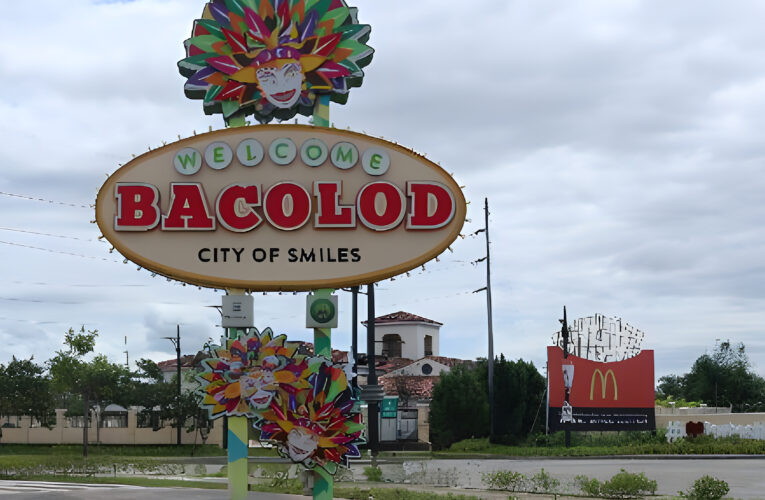
The Story Behind the City of Smile’s Famous Welcome Marker

When travelers make their way into Bacolod City, primarily through the Bacolod-Silay Airport or the northern gateway of the city along the Bacolod-Murcia Road, they’re greeted by an eye-catching sight that’s become an iconic symbol of the city: the “Welcome to Bacolod—City of Smiles” signage. It’s more than just a landmark—it’s a cultural beacon that represents the warmth, charm, and festivity that define the spirit of Bacolod and its people.

The Bacolod Welcome Sign was first erected in 2018, , during a time when local leaders were boosting the city’s image as a tourism and cultural hub in Western Visayas. While Bacolod was already known as the “City of Smiles” due to its famous MassKara Festival, the city lacked a unifying structure or symbol that would serve both as a welcome gesture and a photo-op landmark for tourists.

Inspired by global examples like the Hollywood Sign in Los Angeles and the “Welcome to Fabulous Las Vegas” sign, Bacolod officials and local artists wanted to create something equally iconic—but infused with Negrense character. The signage was intended to mirror not only the physical entrance to the city but also the emotional welcome that visitors experience from its people.

The “Welcome to Bacolod—City of Smiles” signage is more than just a municipal marker; it’s a powerful piece of public art that connects people to the heart of Bacolod. It tells newcomers, “You’re home here, even if just for a while.” With its bold colors, smiling mask motifs, and cultural roots, it stands as a beacon of joy, embodying everything that makes Bacolod truly unforgettable.

So, the next time you pass by it, smile. After all, you’re in the City of Smiles.


Driving instructions to the City of Smile’s Welcome Marker.

VIAJERO KULTURA PILIPINAS, BACOLOD CITY; HISTORY & ADVENTURES

Discover and Indulge in the Seafood Pala-Pala Cravings of Bacolod

Bacolod City is famed for its pala-pala culture—fresh seafood markets paired with paluto-style cooking stalls—offering a feast of flavors at affordable prices. Think ‘Dampa’ here in Manila. Here’s an in-depth guide to the best pala-pala spots in the city:


Aboy’s

A notable Pala-Pala place in Bacolod, Aboy’s is said to be the template for all other Pala-Pala restaurants that followed in 1983, owned by Nestor ‘Aboy’ Evaristo and wife, Del. It’s located at Golden Fields Commercial Complex, Liroville Subdivision, Bacolod City. You can reach them at info@aboysrestaurant.com and at the number +63 34 435 0760.

Driving instructions to Aboy’s.


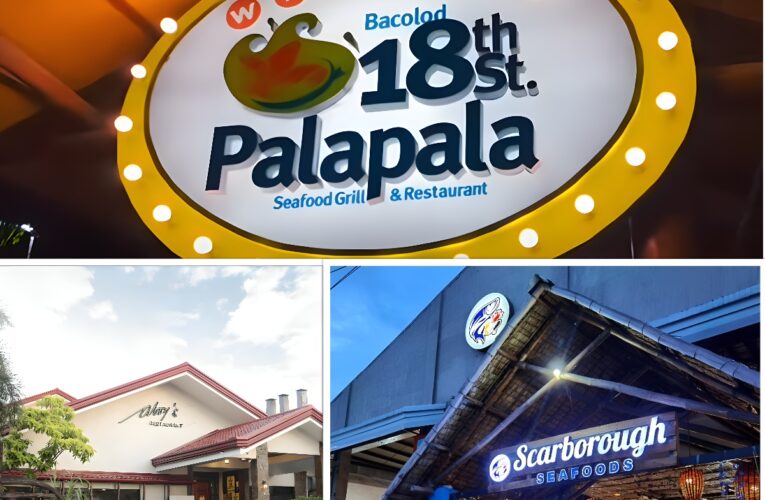
18th Street Pala‑Pala

Check out corner Aguinaldo Street & 18th Street, Brgy. 4. Parallel to Lacson Street, and here you’ll find 18th Street Pala-Pala. It was previously an open-air nipa hut turned full-fledged restaurant, with nipa huts and beachy decor adorning the place. But it was soon rebuilt and restyled after it fell victim to fire. Practically, the place offers a full-on Pala-Pala service with extensive seafood choices, great group dishes, and paluto or à la carte.

Driving instructions to 18th Street Pala-Pala.

It’s open daily from 8:00 a.m. to 11:00 p.m. Feel free to reach us at 0945 965 6757.


Old Pala-Pala Market (San Juan / North Capitol Rd)

One of the classics, Old Pala-Pala Market, can be found at the corner of San Juan Street and North Capitol Road (near Ayala Capitol Central). It’s a no-frills, open-air market with adjacent, vibrant, and bustling tulahan (cooking stalls), so don’t expect a restaurant ambiance when you come to visit. You can haggle directly with fish vendors and cook in a nearby tulahan for cheap rates (₱150–₱350 per head, including cooking).

Driving instructions to Old Pala-Pala Market.


Scarborough Seafoods Pala‑Pala

Taking over Ading’s Pala-Pala after it closed down during the pandemic is Scarborough Seafoods Pala-Pala located at Lot 2, San Juan Street, Bacolod City. The place has dine-in and outdoor dining configurations for your dining pleasure. For inquiries, you can call 0968 585 4460. They also have an Instagram page for you to appreciate their heavenly seafood offerings.

Driving instructions to Scarborough Seafoods Pala-Pala.


Hyksos Tulahan (Old Market)

A notable stall known for its calamares and tulahan dishes in the Old Pala-Pala area, particularly Door 1-5, Bayview Foodcourt, Burgos Extension, Reclamation Area, just in front of SM North Wing. Hyksos has fully air-conditioned function rooms, cable TV, a KTV Bar for entertainment, the option for whiteboards for meetings, and Wi-Fi.

Driving instructions to Hyksos Pala-Pala.

For inquiries, you can call (034) 435 2288.


Insider Tips
  • Haggle smartly at Old Pala-Pala starting early afternoon when fresh catches arrive.
  • Paluto fees in tulahan run about ₱120–₱200 for simple dishes (grill/sinigang/calamares).
  • Bring cash when visiting the open-air market, and expect to negotiate prices.

How to dine like a local on these seafood establishments?


Choosing the Right Spot for You
  • For variety & event-sized groups: Go to 18th Street Pala‑Pala—great for big orders and flexible dishes.
  • For an authentic, budget-friendly experience: Stick to Old Pala-Pala Market + Hyksos Tulahan—with fresh catch, bargaining, and cooker stalls.

Whether you’re craving big-time seafood feasts or simple fresh-caught dishes, Bacolod’s pala-pala scene has you covered.

Other seafood fare options include Gina’s Seafoods Restaurant, Palawud Resto-Grill & Bar, Preska Seafoods Restaurant, Ciano’s Seafood Bar & Grill, Hunasan Seafood House, Sipud Bar and Grill, and Diyotay’s Seafood Eatery, among others.

VKP, BACOLOD CITY: FORKS, DELICACIES & SPECIALTIES!

Where to Find Affordable Eats in Bacolod for the Budget-Conscious

Many people, both locals and tourists, go on adventures by just “winging it” or going on a backpacking trip. Traveling to a foreign nation for the first time and relishing in the unknown has an allure due to the element of adventure, intrigue, and slight danger it carries. On the other hand, some people meticulously plan their trips, but they never get around to trying the hidden gems that somehow elude them.

No matter where in Bacolod, apart from its well-known tourist holiday months, anyone can savor their food offerings at much more affordable prices and guarantee clean, above-board service. There is a wide variety of food options available here, all at affordable prices.

Visit the following places while you are in Bacolod!


Amore’s Resto Bar & Grill

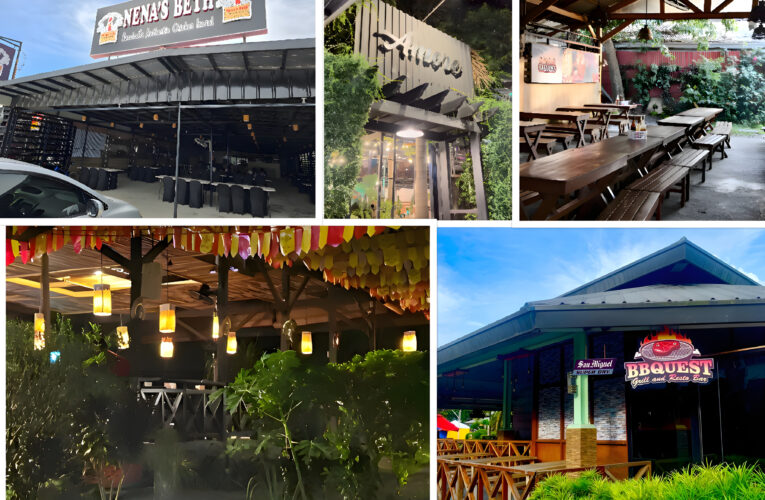
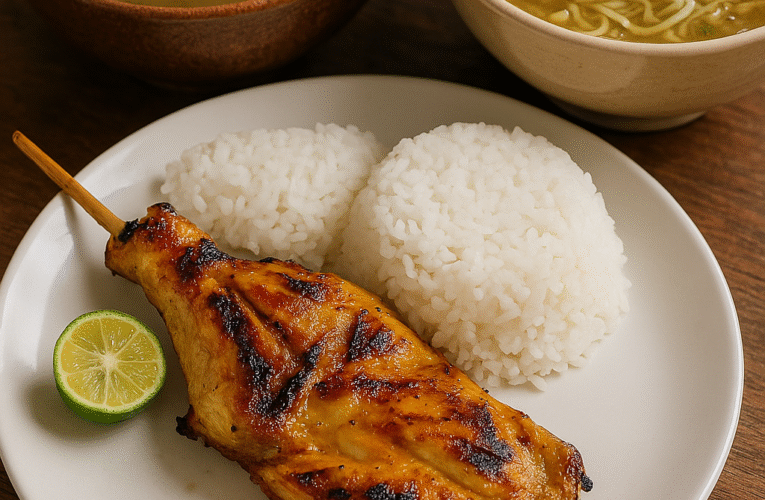
Located at San Juan Street, Barangay 8 (beside Gina’s Seafood), Bacolod City, is Amore’s Resto Bar & Grill, which offers delectable seafood fares and their version of the chicken inasal. Prices range from P200 to P400. For inquiries, you can call (034) 700 0341.

Driving instructions to Amore’s Resto Bar & Grill.


Nena’s Beth Chicken Inasal-Bredco

Another option for the vaunted Ilonggo fave, the chicken inasal, is Nena’s Beth Chicken Inasal which can be found at Palanca Street, Barangay 10, Bacolod City. Just at the back of SM City near Dwellu Furniture.

Driving instructions to Nena’s Beth Chicken Inasal.


Donol’s Lechon

When craving that roasted pig fare, look no more, as Donol’s Lechon (reminiscent of La Loma in Manila) has it all covered. You’ll find it at Purok Lechonan, Brgy. 36, Singcang, Bacolod City. For inquiries, please contact elenadelacruz121@gmail.com or 0945-123-4371. They also have in-store pickups.

Driving instructions to Donol’s Lechon.


Homesitte Shawarma

Bacolod City is already a cosmopolitan destination, so rest assured that some food fare you crave from Manila, you’ll also find here. For your shawarma fix, Homesitte Shawarma is for you. You’ll find it in Lot 29, Blk 3 PHHC Homesite Subd., Paglaum St., Brgy. Montevista, Bacolod City. They also have a hawker site at the corner of North Capitol Road and Gatuslao St., Fiesta Market, Bacolod City. Moreover, they also offer a delivery service through foodpanda.ph. For inquiries, you can reach them at:

Mail: 0917 545 0255
Contact: homesitteshawarma@gmail.com

Driving instructions to Homesitte Shawarma.


Jotham’s Nilaga-an

Looking for that rustic and carinderia vibe with that purely Filipino cooking? You can with Jotham’s Nilaga-an. They have branches at Libertad: (034) 4753464; Magsaysay: (034) 4312642; and Mansilingan Branch: 7086477.

Driving instructions to Jotham’s Nilaga-an.


KSL (Kubo sa Lawn)

For the bohemian in you who likes to drink with friends and savor various pulutan or sumsuman, as they say in Bacolod, KSL is the place to enjoy delectable dishes like calamares, cheesesticks, and gambas, among others. It’s located at P. Hernaez Street, Bacolod City. You can reach them at:

Contact

(034) 431 1964 or

Mail: kubo_sa_lawn@yahoo.com

Driving instructions to KSL (Kubo sa Lawn).


Lion’s Park Grill@Manokan Country

When at SM City and craving seafood and the usual grill fare, don’t look far, as Lion’s Park Grill is just at SM City North Parking. They offer delivery, takeout, and dine-in.

Contact

0933 854 5793 or

Mail: grillhaus.lionspark@gmail.com

Driving instructions to Lion’s Park Grill at Manokan Country.


Pasabor

Are you craving Mexican cuisine with a Filipino twist this time? Try Pasabor. It’s located at 2 Topaz Street, City Heights, Taculing, Bacolod City.

Contact

0998 441 4163

Mail: pasabor.ph@gmail.com

Driving instructions to Pasabor.


Preska Seafoods Restaurant

Preska Seafoods Restaurant, as the name suggests, offers the freshest. It’s the latest ‘Pala Pala’ style restaurant in Bacolod City to date. When you get the craving for seafood, the address is at Aquarius Street, Barangay Estefania, Bacolod City.

Contact

0949 790 5333

Mail: preskaseafoods@gmail.com

Driving instructions to Preska Seafoods Restaurant.


Puno GastroPub by Lola’s

Food and entertainment are what Puno GastroPub offers. If you appreciate both the arts and gastronomy, then Puno GastroPub is the perfect place for you, located at C-71 Narra Avenue, Capitol Shopping Center, Bacolod City.

Mail: punogastropubph@gmail.com

Driving instructions to Puno Gastropub by Lola’s.


Ribshack

If you’re into grilled back ribs, spareribs, pork BBQ, bangus, blue marlin, and more, Ribshack is for you. They have three branches in Bacolod to serve you: one at 15 Lacson Street, another in the south wing of SM City, Bacolod, and the third on the ground floor of Ayala Malls Capitol Central, Gatuslao Street. The third branch has a delivery option for you by foodpanda.ph.


Super Batchoy House

Similar to the beloved Ilonggo dish chicken inasal, batchoy is also a well-known Ilonggo creation in Bacolod, which is why Super Batchoy House deserves to be included on this list. SBH is also one of many legacy food spots in Bacolod, offering a classic ramen-type dish. If you’re craving batchoy, SBH has two branches to serve you. One at Ground Floor Door 12 & 14, Villa Angela East Block Bldg. A, Circumferential Road, Brgy. Villamonte, Bacolod City (back of BDO), and the second at Cuadra Street. For inquiries, dial 0917 896 3387.

Driving instructions to Super Batchoy House.


These seafood places, which offer cheap breakfast, lunch, and dinner buffets, all gather in the Bacolod City NGC area for your convenience and more options.


Ciano’s Seafood Grill & Bar—NGC Bacolod

Craving seafood with a suburban vibe? Ciano’s Seafood Grill & Bar has you covered. They have a promo every Tuesday called ‘𝗖𝗵𝗼𝗼𝘀𝗲-𝗱𝗮𝘆 𝗧𝘂𝗲𝘀𝗱𝗮𝘆!’ to enjoy delicious food. You can also enjoy a breakfast buffet at Ciano’s for only PHP 185 on weekdays and PHP 200 on weekends and holidays.

Driving instructions to Ciano’s Seafood Grill & Bar.


BBQuest sa MarketPlace

This restaurant is located at the Tent 4A, The Marketplace, inside the NGC at Villa Angela, and offers a P299 buffet. Practically the place to go for big hunger. Food and drinks. BBQuest has unlimited rice to go along with your set meals. Unlimited plates. Unlimited memories.


Hunasan Seafood House

Located at Tent 2, Circumferential Road, Villa Angela Market Place, Brgy. Villamonte, Bacolod City, is home to Hunasan Seafood House—one of the many seafood spots that will give you a great deal. Experience Hunasan’s 𝑼𝒏𝒍𝒊𝒎𝒊𝒕𝒆𝒅 𝑺𝒆𝒂𝒇𝒐𝒐𝒅 𝑩𝒖𝒇𝒇𝒆𝒕, which offers over 30 dishes from appetizers to mains and desserts every day.

Driving instructions to Hunasan Seafood House.


Ema Cuisine

Also located at NGC is Ema Cuisine. Overall, they offer a diverse menu that caters to a wide range of tastes. For budget-conscious diners, Ema cuisine offers filling combo meals that satisfy your hunger at a reasonable price. Of course, the place also serves dishes featuring seafood. Best taste, best price!

Driving instructions to Ema Cuisine.

VKP, BACOLOD CITY: FORKS, DELICACIES & SPECIALTIES!


The Ultimate Lacson Street Playbook


Where to sleep, shop, feast, and wander along Bacolod’s celebrated Tourism Strip


Why Lacson Street Matters

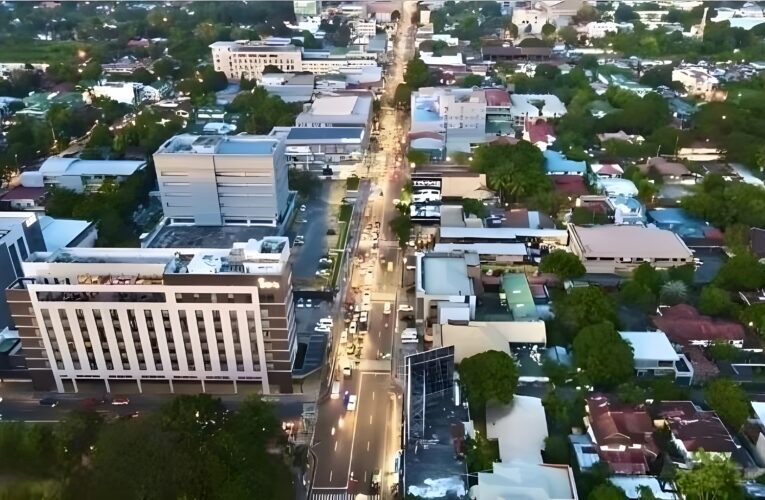
Running north-south through the heart of Bacolod, General Aniceto Lacson Street is more than a traffic artery—it’s the city’s official “Tourism Strip.” Every October its six-lane expanse turns into a mile-long street party during MassKara, but the buzz lasts year-round thanks to an enviable concentration of hotels, malls, restaurants, bars, and pocket attractions.


Stay: Accommodations for Every Budget


Upscale:

L’Fisher Hotel (14th Street): driving instructions; Seda Capitol Central (North Capitol Road, directly connected to Ayala Mall): driving instructions; and Citadines (Barangay Bata): driving instructions.


Boutique Chic:

Stonehill Suites (Corner 27th Street): driving instructions, and Avenue Suites Hotel & Spa (12th Street): driving instructions.


Value Pick:

Go Hotels (inside Robinsons Place): Driving instructions.

The distance is measured from Bacolod Public Plaza (km 0). Rates are 2025 walk-in/online median prices—expect festival surcharges.

Insider tip: Book early for the MassKara peak (third–fourth week of October); most Lacson hotels sell out six months in advance.

Other options


Shop: Malls & Mini‑Hubs
Eat & Drink: Tried‑and‑True Bites
See & Experience

Provincial Capitol Park & Lagoon (Instagram-famous carabao statues flanking a man-made lagoon; sunset jogging & weekend food trucks), Negros Museum (curated sugar-industry memorabilia, kid-friendly mini-train, rotating art exhibits), Art District, and the Masskara Festival most of all.


Moving Around & Local Hacks
  • Jeepney codes you’ll see on placards: “Bata‑Libertad” (north loop), “Mandálagan” (mall belt), and “Shopping La Salle” (university zone). All ply Lacson.
  • Grab & taxis are plentiful, but traffic tightens 4–7 p.m.—walk the shaded sidewalks instead.
  • Most ATMs cluster around 16th to 18th Sts.; 7‑Eleven branches offer cash‑in for e‑wallets.
  • Dress light but carry a shawl—restaurants crank up the air‑con.


Sample 24‑Hour Itinerary
Time Activity
09:00 Breakfast kansi at Sharyn’s, short walk to Capitol Lagoon for photos
11:00 Quick Negros Museum browse (1 hr)
12:30 Check in at Seda or Citadines; lunch at 21 Restaurant.
14:00 Retail therapy at Ayala Malls & adjacent pop-up Negros Showroom
17:00 Sunset coffee + cake at Calea
18:00 Casual stroll north to Art District; browse murals
19:30 Chicken Inasal dinner at Chicken House
21:00 Craft cocktails at Vue (Stonehill Suites) or beer at The Greedy Pig.
23:00 Nightcap pastry take-away from Felicia’s; back to hotel


Lacson Street’s magic lies in its density—you can roll out of bed, shop, museum‑hop, feast, and party without ever hailing a ride. Whether you’re a MassKara veteran or a first‑timer hunting for the city’s best desserts, this two‑kilometer corridor keeps the “City of Smiles” beaming long after the festival confetti has settled. Pack comfy shoes and an extra stomach, and let Lacson do the rest.

VKP, BACOLOD CITY; JET, SET, GO!

VKP, BACOLOD CITY: READY, JET SET, GO!

Bacolod City’s Historic Buildings: Myths or Hidden Stories?

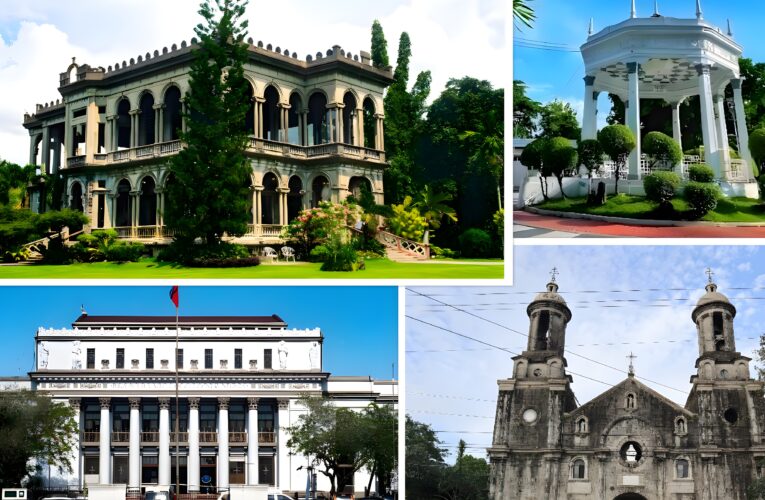
(Clockwise: The Ruins; Bacolod City Public Plaza; San Sebastian Cathedral; and Bacolod City Capitol Building)


Bacolod City, known as the “City of Smiles,” offers more than just the MassKara Festival and sweets. The city’s historic buildings, nestled beneath its vibrant exterior, weave a rich tapestry of stories. While some of these buildings are preserved, others are in a state of decay, yet they all serve as a reminder of the city’s vibrant past. The heritage structures of Bacolod have been associated with a few lesser-known stories.


The Ruins: A Monument to Undying Love and War’s Tragedy

Most know The Ruins in Talisay as the “Taj Mahal of Negros,” but few are aware of the heartbreak behind it. Built in the early 1900s by Don Mariano Ledesma Lacson in memory of his wife Maria Braga, the mansion was a lavish tribute to a great love. However, during World War II, Filipino guerrillas set it ablaze to prevent Japanese forces from using it as a headquarters. The skeletal beauty that remains is not just romantic—it’s a haunting reminder of war’s reach into even the most intimate spaces. Directions.


Balay Negrense: Beyond Sugar Barons and Social Balls

The Balay Negrense was once the home of Victor Fernandez Gaston, a wealthy sugar baron. While the house is now a museum, few know that it also served as an unofficial social hub during the sugar boom, where decisions on politics and trade were often made during opulent soirées. Rumor has it that resistance leaders used the secret tunnels beneath the house as escape routes during the Japanese occupation. Directions.


San Sebastian Cathedral: A Stone of Faith and Rebellion

This 19th-century baroque church stands proudly in the city center, but beneath its sacred halls lies the story of a people’s resistance. Filipino parishioners largely financed the cathedral’s construction during the Spanish colonial period, demonstrating a quiet act of defiance and resilience. It later became a refuge for revolutionaries during the Philippine Revolution and a sanctuary for families fleeing American bombings in WWII. Directions.


Palacio Episcopal: Political Intrigue in the Bishop’s House

Adjacent to San Sebastian Cathedral is the Palacio Episcopal (Bishop’s Palace). Beyond religious ceremonies, Japanese officers once occupied it during the war and reportedly used it for interrogations. Some say old documents hidden within its walls revealed names of local collaborators—many of which remain undisclosed to this day. Directions.


Negros Occidental Capitol Building: Power, Art, and Secrets in Stone

An architectural gem of the 1930s, the Capitol Building is a symbol of governance but also of hidden opulence. Beneath its neoclassical facade lie murals and sculptures by Italian artists, believed to hold allegorical meanings tied to early political aspirations. There are persistent rumors of a sealed underground chamber where Spanish-era documents and war artifacts remain entombed—awaiting rediscovery. Directions.


Bacolod City Public Plaza: A Landmark with a Revolutionary Past 

Plaza del 6 de Noviembre, more commonly known as Bacolod Plaza, is a well-known landmark in Bacolod City that honors the day the Spanish relinquished Negros Island to the Negros Revolutionaries on November 6, 1898. In addition to a gazebo in the middle of the plaza, which hosts concerts during festivals and other occasions, the park is dotted with four circular fountains.

This public plaza already existed when Bacolod officially became the capital of Negros Island in the 1840s. Over the years, the plaza has erected a small memorial honoring the soldiers who fought for Bacolod’s democracy during the war. Additionally, in 1938, to mark Bacolod’s chartered city status, former Philippine President Manuel L. Quezon planted a tindalo tree here. Directions.


These buildings are more than bricks and beams—they are silent witnesses to the triumphs, tragedies, and transformations of Bacolod City. As modernization continues, it’s vital to unearth and preserve these hidden stories, allowing future generations to connect with a past that still whispers from behind old walls.


VKP, BACOLOD CITY: HISTORY & ADVENTURES!

Behind the Smiles, Behind The Masks of Bacolod’s MassKara Festival


How fiberglass dust, barangay budgets, and tourism pesos converge to create the Philippines’ “City of Smiles.


Why the Masks Matter

Every October, the MassKara Festival in Bacolod transforms the city into a vibrant display of color. The smiling masks—now a 45-year-old tradition—do more than decorate dancers; they sustain a cottage industry of artisans, subsidize entire barangays, and attract hundreds of thousands of visitors who pumped ₱2.84 billion into the local economy after pandemic reopening in 2023.

In summary, this ambitious yearly campaign is supported by the collaboration of many groups, which will make the effort less daunting and the weight of the tasks more evenly distributed.

From January to March, barangay councils, choreographers, and costume designers sketch concepts that align with the festival theme and contest rules.

Then, from April to May, the budget for the festival will have already begun, with branches of the local government pitching in to collate the budget meant for the festival through subsidy from the city. Last year, each competing barangay received ₱ 700,000 for street-dance costumes and ₱ 300,000 for Electric MassKara floats.

Barangay and SK funds were also helpful, as top contenders like Barangay Granada added more than P1 million from their coffers for the annual event. And just last year, Barangay Granada was again the recipient of the prize, two succeeding years in a row, back-to-back.

Of course, the event wouldn’t be complete without the support of its corporate sponsors, mostly local malls like SM, Ayala, Megaworld’s The Upper East, and the sugar-industry firms that underwrote materials or talent fees.

May–July:

The design teams are tasked with commissioning a short list of mask-making houses, which remain largely the same every year, to provide molds, fiberglass shells, paintwork, and beaded embellishment.

July–September:

During the fabrication sprint, workshops produce 40–60 masks for each barangay in as little as two weeks.

Early October:

Masks move from the workshop to the rehearsal floor for rigging onto gigantic headdresses and props. Final polish and fitting.


Prize Money & Oversight—Who Cuts the Check?

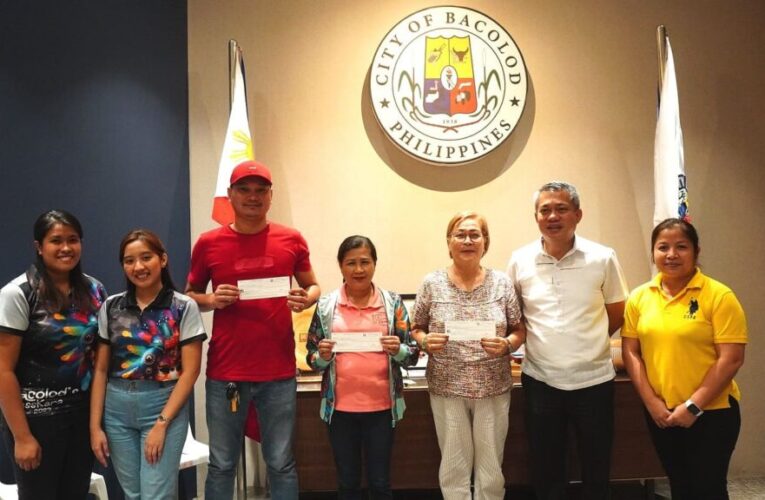
  • Lead Organizer: Bacolod Yuhum Foundation (BYF)—designated by a 2024 MOA with the city to mount the festival, raise sponsorships, and process payouts.
  • Funding Flow: City Treasurer → BYF Trust Account → Winners. BYF disbursed all 2024 cash prizes—₱1 M for champions, down to ₱20 k for minor awards—within two weeks of the closing parade.
  • Goodwill Bonuses: When delays happen, Mayor Albee Benitez personally tops up consolation prizes (₱100k each in 2023) outside the official budget.

Oversight rests with the Sangguniang Panlungsod’s Committee on Tourism, which can summon BYF for audited reports.


Note:

Bacolod City’s current mayor is the Honorable Greg Gasataya. Former mayor Albee Benitez is now a congressman for the lone district of Bacolod.


Year 2025 Masskara Grand Champion.


VKP, BACOLOD CITY: COLOR, RHYTHMS & CULTURE

Inside the MassKara Festival: Activities, Behind-the-Scenes Stories, and the People Who Make It Happen


Every October, Bacolod City—the famed “City of Smiles”—bursts into a kaleidoscope of colors, music, and unbreakable spirit with its most celebrated event: the MassKara Festival. More than just a vibrant display of costumes and dancing, the festival is a profound expression of Negrense resilience and communal pride. Behind the dazzling smiles of the iconic masks and street dancers is a pulsating ecosystem of artisans, organizers, communities, and volunteers whose tireless efforts make MassKara the hallmark of Bacolod’s cultural identity.


Why MassKara Matters

“In Bacolod, the smile isn’t just part of the costume—it’s part of who we are.”


The first MassKara Festival was held in 1980 during a time of crisis in Negros Occidental—marked by economic despair and the tragic MV Don Juan maritime disaster. The festival was conceived as a symbol for optimism and resilience.

Today, MassKara is more than just a celebration—it is a testament to the Bacolodnon spirit, their creativity, their unity, and their ability to smile in the face of adversity. It is also a powerful economic driver, injecting millions into the local economy through tourism, trade, and culture.


Street Dancing Competition

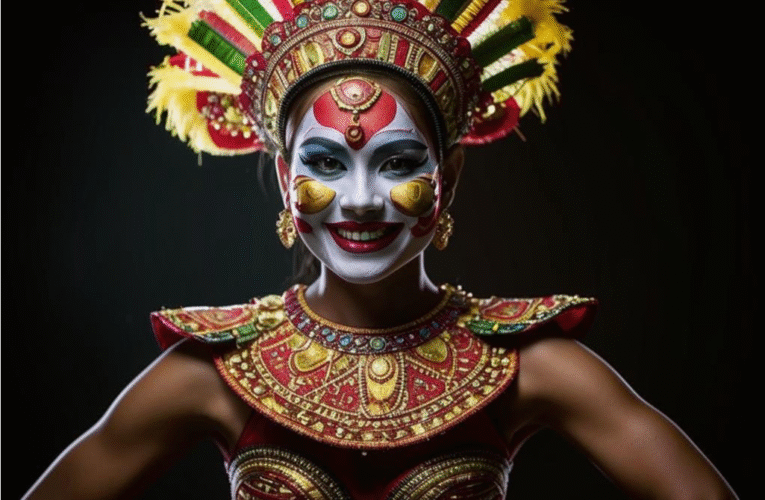
The heart of the MassKara Festival is its street dancing competition, where barangay-based contingents and school performers, clad in elaborate, feathered, and bejeweled masks, dance to Latin-inspired or EDM-fused MassKara music. The performers parade through Lacson Street and public plazas, exuding energy, joy, and competitive flair.

There are typically two categories:

  • School-based Category—Often held in the early weeks of October, involving elementary and high school students.
  • Barangay Category—Performed closer to the festival’s climax, showcasing adult dancers and community members representing their local barangays.
Electric MassKara

Held at night along the Lacson Tourism Strip, Electric MassKara features float parades adorned with neon lights, LED-powered costumes, and electronic music. It’s a futuristic twist on tradition, with dance crews and DJs transforming the street into a technicolor party zone. This is particularly popular among the younger crowd and nightlife enthusiasts.


MassKara Queen Pageant

An elegant highlight of the festival, the MassKara Queen Pageant is more than a beauty competition—it’s a celebration of intellect, advocacy, and modern Negrense womanhood. Contestants undergo weeks of training, personality development, and community involvement, culminating in a glittering coronation night.


Street Parties and Concerts

The festival’s nights are dominated by concerts featuring local and national acts. Bars and pop-up stages along Lacson Street host back-to-back live bands, DJs, and food stalls, with partygoers dancing until dawn.


Cultural and Culinary Exhibits
  • Art Exhibitions showcase the creativity of Negrense in visual arts and sculpture.
  • Food Festivals where you can try native delicacies like chicken inasal, kansi, and desserts like piaya and napoleones.
  • Trade Fairs that promote local products, from crafts to organic Negrense produce.


Behind-the-Scenes: What the Public Doesn’t Always See

While the parade is a burst of joy, months of painstaking effort go into each element of MassKara. Behind the masks are stories of dedication and creativity.


  • Costume and Mask Makers

Local artisans work tirelessly for weeks—sometimes months—to create the signature smiling masks and colorful costumes. Using a mix of papier-mâché, fiberglass, sequins, and feathers, these creators innovate every year to stay competitive and visually captivating.


“We don’t just make masks; we craft identity,” says Mang Toto, a long-time artisan from Barangay 17.


  • Choreographers and Dance Coaches

Dance troupes undergo intensive training, with sessions sometimes starting as early as June. Choreographers create synchronized movements that blend tradition, storytelling, and athleticism. The heat and long hours are endured in exchange for a few electrifying minutes of glory on performance day.


  • Volunteers and Event Planners

A small army of volunteers handles logistics, crowd control, registration, and safety measures. The City Tourism Office, together with private partners and sponsors, coordinates everything from security to sanitation. Each sector has a timetable that begins at least six months before the October event.


  • Local Businesses and Residents

Hotels, restaurants, and vendors gear up for the economic boom. Locals are also involved in homestays, catering, and tourism-related services. Entire neighborhoods take part by building themed street decorations, lighting installations, and welcome booths for visitors.


The People Who Power MassKara


The MassKara Festival wouldn’t exist without its unsung heroes:


  • The Dancers

From students to young adults, these dancers train day and night with sheer dedication, often balancing school or work. Their smiles may be painted on their masks, but the joy they exude comes from the heart.


  • Barangay Officials and Cultural Leaders

These local leaders rally their constituents, secure funding, organize rehearsals, and provide moral support to contingents. They are the festival’s community pillars.


  • Police and Emergency Responders

Safety is paramount, especially with massive crowds and night events. Local authorities deploy hundreds of personnel to manage traffic, secure parade routes, and respond to emergencies.


  • Media and Documentarians

Local and international media teams descend upon Bacolod during the festival, documenting stories, capturing performances, and broadcasting Bacolod’s infectious energy to the world.

MassKara Festival is not just an event—it is a living, breathing cultural phenomenon fueled by real people with real stories. The confetti, the lights, the laughter—they all point back to a community that has made joy a way of life. Whether you’re a first-time tourist or a returning local, MassKara invites you to feel the rhythm, wear the smile, and join the dance. Experience it all on the stretch of this thoroughfare.


VKP, BACOLOD CITY: COLOR, RHYTHMS & CULTURE

Hidden Cultural Treasures: Underrated Festivals of Bacolod City and Their Role in Tourism

When people hear Bacolod City, the vibrant MassKara Festival typically comes to mind—a celebration of resilience and joy that has attracted national and international attention since the 1980s. However, beyond the sparkling masks and street dances lies a rich tapestry of lesser-known festivals that embody the spirit of Bacolodnons and the city’s deep cultural roots. These underrated events not only reflect the city’s heritage but also possess untapped potential to promote inclusive tourism and cultural pride.


Potential and Challenges for Underrated Festivals

While these festivals are rich in cultural value, they often lack funding, promotion, and infrastructure. Several factors impede their growth.

  • Limited media coverage and digital marketing
  • Inadequate support from local tourism boards
  • Absence of tourist-ready facilities in barangay areas

However, with better coordination between LGUs, private sectors, and local creatives, these events can be integrated into a broader Bacolod tourism strategy that goes beyond MassKara.

The Way Forward: Building a Cultural Tourism Circuit

By creating a year-round cultural calendar that includes these underrated festivals, Bacolod City can:

  • Distribute tourist traffic across the year
  • Encourage community-based tourism
  • Highlight Bacolod’s diverse cultural identity
  • Promote sustainable tourism rooted in tradition and ecology
Why Look Beyond MassKara?

The MassKara Festival, while iconic, often overshadows smaller, community-centered festivals that preserve local traditions and history. These festivals, often celebrated by specific barangays or districts, serve as intimate windows into Negrense life. They showcase local craftsmanship, devotion, culinary identity, and folk traditions rarely seen in mainstream media.

Let’s journey through these hidden cultural treasures of Bacolod:


Panaad sa Negros Festival (Held in Bacolod)

An event held in April at the Panaad Park and Stadium. Despite being a provincial celebration, Bacolod hosts Panaad sa Negros, bringing together the 13 cities and 19 municipalities of Negros Occidental. Established in 1993, it was initially meant to bring together Negrense culture under one roof. “Panaad” means vow or promise—a tribute to religious devotion and thanksgiving. It is the culmination of all celebrations.

Each town sets up a themed pavilion showcasing their local products, industries, and micro-festivals—many of which are unknown even to Negrenses themselves.

Tourism Impact

Although it is less well-known than MassKara, Panaad attracts tens of thousands of local and international visitors. It acts as a platform for agritourism, culinary tourism, and cultural exchange. If properly promoted, it could rival major cultural expositions in the Philippines.


Diwali Festival (Barangay Punta Taytay)

The Diwali Festival represents the return of Prince Rama of Ayodhya, accompanied by his wife, Sita, and brother, Lakshman, after a 14-year exile and a victorious war. Diwali reflects a rich and illustrious heritage while instructing its observers to maintain the fundamental values of life.

The Diwali Festival, or  Festival of Lights, is commemorated by the Filipino-Indian community in Bacolod through diverse cultural and religious activities. The celebration generally features an elaborate parade, cultural exhibitions, and a Diwali Mela (fair). The festival seeks to cultivate camaraderie and reinforce connections between the Filipino and Indian communities while enhancing tourism.

Tourism Impact

The Diwali Festival in Bacolod, orchestrated by the local Indian community, substantially influences tourism by fostering cultural exchange, drawing visitors, and enhancing the local economy. The festival highlights Filipino-Indian culture, promoting awareness and appreciation of both traditions. This event generates economic advantages, as establishments such as hotels, restaurants, and souvenir shops witness heightened revenue.


Bacolaodiat Festival (Chinese New Year)

Started in 2006 with a varying timeline, usually held between January and February, and coinciding with the Chinese New Year, the Bacolaodiat Festival honors the deep ties between the Chinese-Filipino community and Bacolod’s economic and cultural development. It features lantern parades, Chinese cultural shows, calligraphy exhibits, and dragon dances, culminating in a dazzling fireworks display. Visit Lacson Street and the Chinatown area to get a full experience of the festival. For those unfamiliar with the festival, Bacolaodiat is a portmanteau that combines ‘Bacolod’ and ‘Lao Diat,’ which means celebration in Fookien.

Tourism Impact

It brings together locals and tourists in a celebration of multicultural identity. With proper national exposure, Bacolaodiat could be the central Chinese New Year celebration in Western Visayas, boosting cultural tourism during a non-peak season.

Other underrated festivals also include the Pasigabong Festival of Granada.

Bacolod’s true richness can be found in the quiet, colorful corners of fishing villages, barangay plazas, and cultural enclaves, where history breathes and tradition thrives. These underrated festivals are not just side events—they are the soul of the city, waiting to be discovered.

VKP, BACOLOD CITY: FESTIVAL FILES