Behind the Smiles, Behind The Masks of Bacolod’s MassKara Festival


How fiberglass dust, barangay budgets, and tourism pesos converge to create the Philippines’ “City of Smiles.


Why the Masks Matter

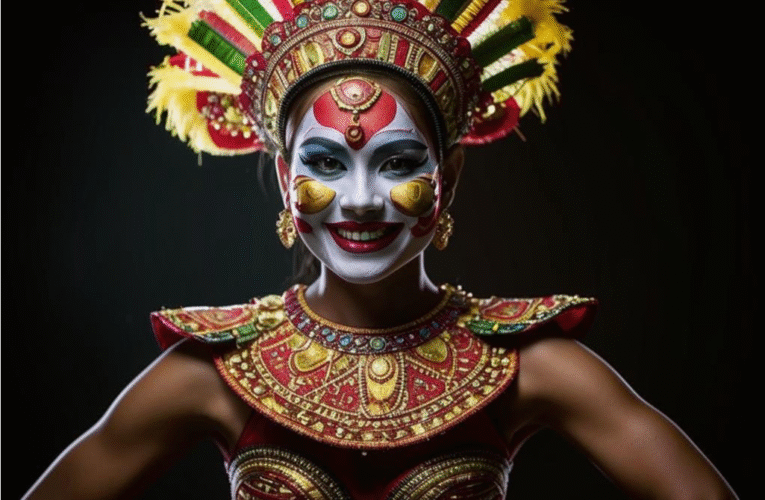
Every October, the MassKara Festival in Bacolod transforms the city into a vibrant display of color. The smiling masks—now a 45-year-old tradition—do more than decorate dancers; they sustain a cottage industry of artisans, subsidize entire barangays, and attract hundreds of thousands of visitors who pumped ₱2.84 billion into the local economy after pandemic reopening in 2023.

In summary, this ambitious yearly campaign is supported by the collaboration of many groups, which will make the effort less daunting and the weight of the tasks more evenly distributed.

From January to March, barangay councils, choreographers, and costume designers sketch concepts that align with the festival theme and contest rules.

Then, from April to May, the budget for the festival will have already begun, with branches of the local government pitching in to collate the budget meant for the festival through subsidy from the city. Last year, each competing barangay received ₱ 700,000 for street-dance costumes and ₱ 300,000 for Electric MassKara floats.

Barangay and SK funds were also helpful, as top contenders like Barangay Granada added more than P1 million from their coffers for the annual event. And just last year, Barangay Granada was again the recipient of the prize, two succeeding years in a row, back-to-back.

Of course, the event wouldn’t be complete without the support of its corporate sponsors, mostly local malls like SM, Ayala, Megaworld’s The Upper East, and the sugar-industry firms that underwrote materials or talent fees.

May–July:

The design teams are tasked with commissioning a short list of mask-making houses, which remain largely the same every year, to provide molds, fiberglass shells, paintwork, and beaded embellishment.

July–September:

During the fabrication sprint, workshops produce 40–60 masks for each barangay in as little as two weeks.

Early October:

Masks move from the workshop to the rehearsal floor for rigging onto gigantic headdresses and props. Final polish and fitting.


Prize Money & Oversight—Who Cuts the Check?

  • Lead Organizer: Bacolod Yuhum Foundation (BYF)—designated by a 2024 MOA with the city to mount the festival, raise sponsorships, and process payouts.
  • Funding Flow: City Treasurer → BYF Trust Account → Winners. BYF disbursed all 2024 cash prizes—₱1 M for champions, down to ₱20 k for minor awards—within two weeks of the closing parade.
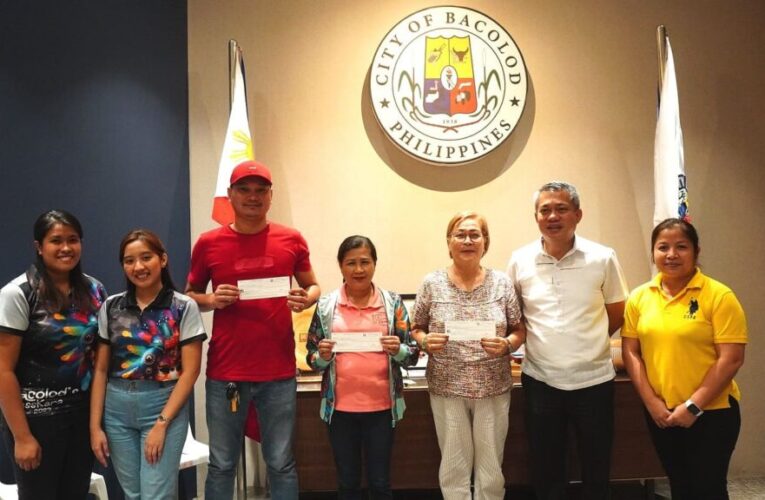
  • Goodwill Bonuses: When delays happen, Mayor Albee Benitez personally tops up consolation prizes (₱100k each in 2023) outside the official budget.

Oversight rests with the Sangguniang Panlungsod’s Committee on Tourism, which can summon BYF for audited reports.


Note:

Bacolod City’s current mayor is the Honorable Greg Gasataya. Former mayor Albee Benitez is now a congressman for the lone district of Bacolod.


Year 2025 Masskara Grand Champion.


VKP, BACOLOD CITY: COLOR, RHYTHMS & CULTURE

Inside the MassKara Festival: Activities, Behind-the-Scenes Stories, and the People Who Make It Happen


Every October, Bacolod City—the famed “City of Smiles”—bursts into a kaleidoscope of colors, music, and unbreakable spirit with its most celebrated event: the MassKara Festival. More than just a vibrant display of costumes and dancing, the festival is a profound expression of Negrense resilience and communal pride. Behind the dazzling smiles of the iconic masks and street dancers is a pulsating ecosystem of artisans, organizers, communities, and volunteers whose tireless efforts make MassKara the hallmark of Bacolod’s cultural identity.


Why MassKara Matters

“In Bacolod, the smile isn’t just part of the costume—it’s part of who we are.”


The first MassKara Festival was held in 1980 during a time of crisis in Negros Occidental—marked by economic despair and the tragic MV Don Juan maritime disaster. The festival was conceived as a symbol for optimism and resilience.

Today, MassKara is more than just a celebration—it is a testament to the Bacolodnon spirit, their creativity, their unity, and their ability to smile in the face of adversity. It is also a powerful economic driver, injecting millions into the local economy through tourism, trade, and culture.


Street Dancing Competition

The heart of the MassKara Festival is its street dancing competition, where barangay-based contingents and school performers, clad in elaborate, feathered, and bejeweled masks, dance to Latin-inspired or EDM-fused MassKara music. The performers parade through Lacson Street and public plazas, exuding energy, joy, and competitive flair.

There are typically two categories:

  • School-based Category—Often held in the early weeks of October, involving elementary and high school students.
  • Barangay Category—Performed closer to the festival’s climax, showcasing adult dancers and community members representing their local barangays.
Electric MassKara

Held at night along the Lacson Tourism Strip, Electric MassKara features float parades adorned with neon lights, LED-powered costumes, and electronic music. It’s a futuristic twist on tradition, with dance crews and DJs transforming the street into a technicolor party zone. This is particularly popular among the younger crowd and nightlife enthusiasts.


MassKara Queen Pageant

An elegant highlight of the festival, the MassKara Queen Pageant is more than a beauty competition—it’s a celebration of intellect, advocacy, and modern Negrense womanhood. Contestants undergo weeks of training, personality development, and community involvement, culminating in a glittering coronation night.


Street Parties and Concerts

The festival’s nights are dominated by concerts featuring local and national acts. Bars and pop-up stages along Lacson Street host back-to-back live bands, DJs, and food stalls, with partygoers dancing until dawn.


Cultural and Culinary Exhibits
  • Art Exhibitions showcase the creativity of Negrense in visual arts and sculpture.
  • Food Festivals where you can try native delicacies like chicken inasal, kansi, and desserts like piaya and napoleones.
  • Trade Fairs that promote local products, from crafts to organic Negrense produce.


Behind-the-Scenes: What the Public Doesn’t Always See

While the parade is a burst of joy, months of painstaking effort go into each element of MassKara. Behind the masks are stories of dedication and creativity.


  • Costume and Mask Makers

Local artisans work tirelessly for weeks—sometimes months—to create the signature smiling masks and colorful costumes. Using a mix of papier-mâché, fiberglass, sequins, and feathers, these creators innovate every year to stay competitive and visually captivating.


“We don’t just make masks; we craft identity,” says Mang Toto, a long-time artisan from Barangay 17.


  • Choreographers and Dance Coaches

Dance troupes undergo intensive training, with sessions sometimes starting as early as June. Choreographers create synchronized movements that blend tradition, storytelling, and athleticism. The heat and long hours are endured in exchange for a few electrifying minutes of glory on performance day.


  • Volunteers and Event Planners

A small army of volunteers handles logistics, crowd control, registration, and safety measures. The City Tourism Office, together with private partners and sponsors, coordinates everything from security to sanitation. Each sector has a timetable that begins at least six months before the October event.


  • Local Businesses and Residents

Hotels, restaurants, and vendors gear up for the economic boom. Locals are also involved in homestays, catering, and tourism-related services. Entire neighborhoods take part by building themed street decorations, lighting installations, and welcome booths for visitors.


The People Who Power MassKara


The MassKara Festival wouldn’t exist without its unsung heroes:


  • The Dancers

From students to young adults, these dancers train day and night with sheer dedication, often balancing school or work. Their smiles may be painted on their masks, but the joy they exude comes from the heart.


  • Barangay Officials and Cultural Leaders

These local leaders rally their constituents, secure funding, organize rehearsals, and provide moral support to contingents. They are the festival’s community pillars.


  • Police and Emergency Responders

Safety is paramount, especially with massive crowds and night events. Local authorities deploy hundreds of personnel to manage traffic, secure parade routes, and respond to emergencies.


  • Media and Documentarians

Local and international media teams descend upon Bacolod during the festival, documenting stories, capturing performances, and broadcasting Bacolod’s infectious energy to the world.

MassKara Festival is not just an event—it is a living, breathing cultural phenomenon fueled by real people with real stories. The confetti, the lights, the laughter—they all point back to a community that has made joy a way of life. Whether you’re a first-time tourist or a returning local, MassKara invites you to feel the rhythm, wear the smile, and join the dance. Experience it all on the stretch of this thoroughfare.


VKP, BACOLOD CITY: COLOR, RHYTHMS & CULTURE