
Behind the Smiles, Behind The Masks of Bacolod’s MassKara Festival


How fiberglass dust, barangay budgets, and tourism pesos converge to create the Philippines’ “City of Smiles.


Why the Masks Matter

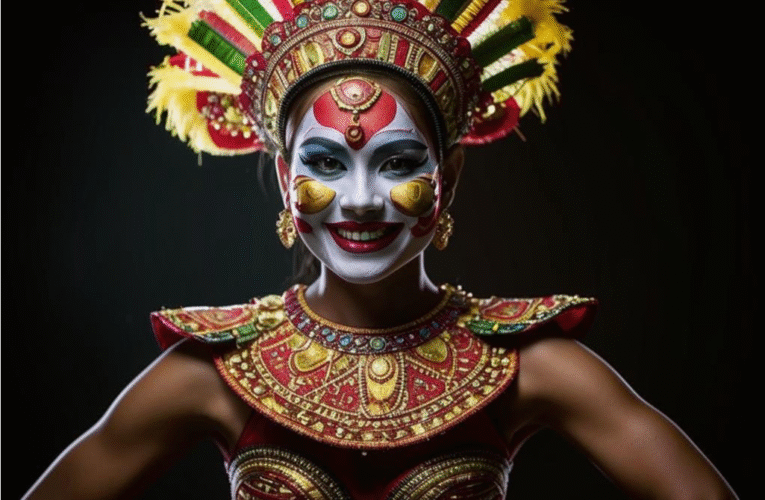
Every October, the MassKara Festival in Bacolod transforms the city into a vibrant display of color. The smiling masks—now a 45-year-old tradition—do more than decorate dancers; they sustain a cottage industry of artisans, subsidize entire barangays, and attract hundreds of thousands of visitors who pumped ₱2.84 billion into the local economy after pandemic reopening in 2023.

In summary, this ambitious yearly campaign is supported by the collaboration of many groups, which will make the effort less daunting and the weight of the tasks more evenly distributed.

From January to March, barangay councils, choreographers, and costume designers sketch concepts that align with the festival theme and contest rules.

Then, from April to May, the budget for the festival will have already begun, with branches of the local government pitching in to collate the budget meant for the festival through subsidy from the city. Last year, each competing barangay received ₱ 700,000 for street-dance costumes and ₱ 300,000 for Electric MassKara floats.

Barangay and SK funds were also helpful, as top contenders like Barangay Granada added more than P1 million from their coffers for the annual event. And just last year, Barangay Granada was again the recipient of the prize, two succeeding years in a row, back-to-back.

Of course, the event wouldn’t be complete without the support of its corporate sponsors, mostly local malls like SM, Ayala, Megaworld’s The Upper East, and the sugar-industry firms that underwrote materials or talent fees.

May–July:

The design teams are tasked with commissioning a short list of mask-making houses, which remain largely the same every year, to provide molds, fiberglass shells, paintwork, and beaded embellishment.

July–September:

During the fabrication sprint, workshops produce 40–60 masks for each barangay in as little as two weeks.

Early October:

Masks move from the workshop to the rehearsal floor for rigging onto gigantic headdresses and props. Final polish and fitting.


Prize Money & Oversight—Who Cuts the Check?

  • Lead Organizer: Bacolod Yuhum Foundation (BYF)—designated by a 2024 MOA with the city to mount the festival, raise sponsorships, and process payouts.
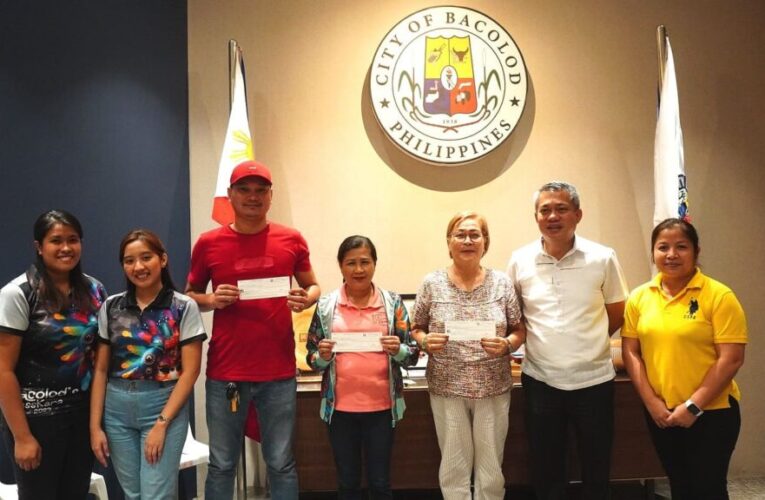
  • Funding Flow: City Treasurer → BYF Trust Account → Winners. BYF disbursed all 2024 cash prizes—₱1 M for champions, down to ₱20 k for minor awards—within two weeks of the closing parade.
  • Goodwill Bonuses: When delays happen, Mayor Albee Benitez personally tops up consolation prizes (₱100k each in 2023) outside the official budget.

Oversight rests with the Sangguniang Panlungsod’s Committee on Tourism, which can summon BYF for audited reports.


Note:

Bacolod City’s current mayor is the Honorable Greg Gasataya. Former mayor Albee Benitez is now a congressman for the lone district of Bacolod.


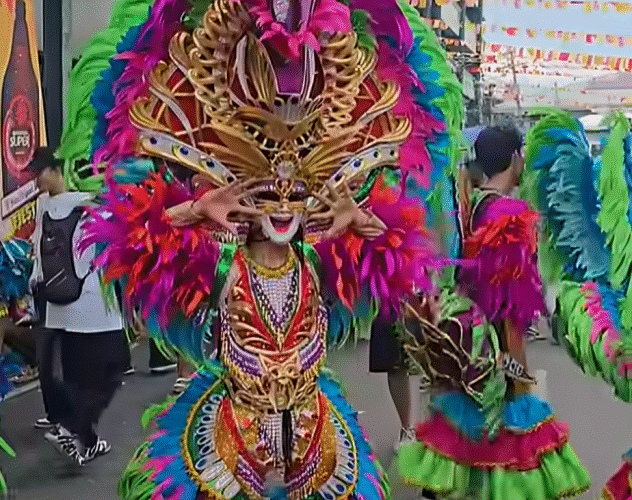
Year 2025 Masskara Grand Champion.


VKP, BACOLOD CITY: COLOR, RHYTHMS & CULTURE

Inside the MassKara Festival: Activities, Behind-the-Scenes Stories, and the People Who Make It Happen


Every October, Bacolod City—the famed “City of Smiles”—bursts into a kaleidoscope of colors, music, and unbreakable spirit with its most celebrated event: the MassKara Festival. More than just a vibrant display of costumes and dancing, the festival is a profound expression of Negrense resilience and communal pride. Behind the dazzling smiles of the iconic masks and street dancers is a pulsating ecosystem of artisans, organizers, communities, and volunteers whose tireless efforts make MassKara the hallmark of Bacolod’s cultural identity.


Why MassKara Matters

“In Bacolod, the smile isn’t just part of the costume—it’s part of who we are.”


The first MassKara Festival was held in 1980 during a time of crisis in Negros Occidental—marked by economic despair and the tragic MV Don Juan maritime disaster. The festival was conceived as a symbol for optimism and resilience.

Today, MassKara is more than just a celebration—it is a testament to the Bacolodnon spirit, their creativity, their unity, and their ability to smile in the face of adversity. It is also a powerful economic driver, injecting millions into the local economy through tourism, trade, and culture.


Street Dancing Competition

The heart of the MassKara Festival is its street dancing competition, where barangay-based contingents and school performers, clad in elaborate, feathered, and bejeweled masks, dance to Latin-inspired or EDM-fused MassKara music. The performers parade through Lacson Street and public plazas, exuding energy, joy, and competitive flair.

There are typically two categories:

  • School-based Category—Often held in the early weeks of October, involving elementary and high school students.
  • Barangay Category—Performed closer to the festival’s climax, showcasing adult dancers and community members representing their local barangays.
Electric MassKara

Held at night along the Lacson Tourism Strip, Electric MassKara features float parades adorned with neon lights, LED-powered costumes, and electronic music. It’s a futuristic twist on tradition, with dance crews and DJs transforming the street into a technicolor party zone. This is particularly popular among the younger crowd and nightlife enthusiasts.


MassKara Queen Pageant

An elegant highlight of the festival, the MassKara Queen Pageant is more than a beauty competition—it’s a celebration of intellect, advocacy, and modern Negrense womanhood. Contestants undergo weeks of training, personality development, and community involvement, culminating in a glittering coronation night.


Street Parties and Concerts

The festival’s nights are dominated by concerts featuring local and national acts. Bars and pop-up stages along Lacson Street host back-to-back live bands, DJs, and food stalls, with partygoers dancing until dawn.


Cultural and Culinary Exhibits
  • Art Exhibitions showcase the creativity of Negrense in visual arts and sculpture.
  • Food Festivals where you can try native delicacies like chicken inasal, kansi, and desserts like piaya and napoleones.
  • Trade Fairs that promote local products, from crafts to organic Negrense produce.


Behind-the-Scenes: What the Public Doesn’t Always See

While the parade is a burst of joy, months of painstaking effort go into each element of MassKara. Behind the masks are stories of dedication and creativity.


  • Costume and Mask Makers

Local artisans work tirelessly for weeks—sometimes months—to create the signature smiling masks and colorful costumes. Using a mix of papier-mâché, fiberglass, sequins, and feathers, these creators innovate every year to stay competitive and visually captivating.


“We don’t just make masks; we craft identity,” says Mang Toto, a long-time artisan from Barangay 17.


  • Choreographers and Dance Coaches

Dance troupes undergo intensive training, with sessions sometimes starting as early as June. Choreographers create synchronized movements that blend tradition, storytelling, and athleticism. The heat and long hours are endured in exchange for a few electrifying minutes of glory on performance day.


  • Volunteers and Event Planners

A small army of volunteers handles logistics, crowd control, registration, and safety measures. The City Tourism Office, together with private partners and sponsors, coordinates everything from security to sanitation. Each sector has a timetable that begins at least six months before the October event.


  • Local Businesses and Residents

Hotels, restaurants, and vendors gear up for the economic boom. Locals are also involved in homestays, catering, and tourism-related services. Entire neighborhoods take part by building themed street decorations, lighting installations, and welcome booths for visitors.


The People Who Power MassKara


The MassKara Festival wouldn’t exist without its unsung heroes:


  • The Dancers

From students to young adults, these dancers train day and night with sheer dedication, often balancing school or work. Their smiles may be painted on their masks, but the joy they exude comes from the heart.


  • Barangay Officials and Cultural Leaders

These local leaders rally their constituents, secure funding, organize rehearsals, and provide moral support to contingents. They are the festival’s community pillars.


  • Police and Emergency Responders

Safety is paramount, especially with massive crowds and night events. Local authorities deploy hundreds of personnel to manage traffic, secure parade routes, and respond to emergencies.


  • Media and Documentarians

Local and international media teams descend upon Bacolod during the festival, documenting stories, capturing performances, and broadcasting Bacolod’s infectious energy to the world.

MassKara Festival is not just an event—it is a living, breathing cultural phenomenon fueled by real people with real stories. The confetti, the lights, the laughter—they all point back to a community that has made joy a way of life. Whether you’re a first-time tourist or a returning local, MassKara invites you to feel the rhythm, wear the smile, and join the dance. Experience it all on the stretch of this thoroughfare.


VKP, BACOLOD CITY: COLOR, RHYTHMS & CULTURE

The Best Historical, Ancestral, and Legacy-Rich Locations Around Bacolod City

(Clockwise: The Ruins, Silay; Balay Negrense; Bernardino Jalandoni Museum; and The Yulo House)

Bacolod City has a profound historical and cultural significance. The city’s ancestral homes, heritage structures, and legacy-rich landmarks have a significant influence on its tourism industry and are essential to its identity.


Why These Places Matter for Travel & Tourism:
  • Cultural Identity: They embody the city’s rich colonial history, religious devotion, and sugar-based aristocracy.
  • Educational Value: Students, scholars, and travelers can explore Negrense lifestyle, economy, and politics.
  • Economic Boost: These sites help generate local income via tours, entrance fees, guide services, and nearby food and souvenir shops.
  • Sustainable Tourism: Promotes heritage conservation while inviting responsible tourism that appreciates Bacolod’s soul beyond its modern facade.

The following are the most significant historical, ancestral, and legacy-rich locations in Bacolod, along with their descriptions, significance, and importance to travel and tourism:


The Ruins (Talisay, near Bacolod)

This iconic structure is the skeletal remains of a grand Italianate mansion built in the early 1900s by Don Mariano Ledesma Lacson in memory of his wife, Maria Braga. It is made with a unique blend of concrete and egg whites, and its elegance still stands out despite being burned down during World War II. People often refer to The Ruins as the “Taj Mahal of Negros,” symbolizing undying love and resilience.

A major photo-op spot and a favorite for weddings and local history tours. It draws both local and international tourists. Directions.


Balay Negrense (Silay City, near Bacolod)

Balay Negrense is a preserved ancestral house-turned-museum showcasing the lifestyle of a 19th-century Negrense sugar baron family. The house was originally owned by Victor Fernandez Gaston. It highlights the opulence of the sugar industry’s golden era and the Spanish-Filipino architectural blend.

With regard to tourism, the site offers an immersive glimpse into the island’s rich sugar-based heritage, attracting heritage tourism and educational visits. Directions.


Bernardino Jalandoni Museum (The Pink House, Silay)

The museum’s distinctive pink exterior draws attention, concealing a wealth of family heirlooms, furniture, and a glimpse into the past of a prominent sugar family.

The Jalandoni House was the first National Historical Landmark in the City of Silay to be designated as such by the National Historical Institute on November 6, 1993. Directions.


The Yulo House

A two-story house constructed in the early 20th century by the late Don Mariano Yulo, a former governor and senator during the Commonwealth Period. Located in Yulo’s Park in Barangay 14, Bacolod, the house was constructed on August 10, 1919, out of high-quality lumber, has endured the passage of time, and has been used as a location for meetings of sugar barons in Negros. Unveiled last year, August 22, 2024, with the acceptance and signing of the turnover, was The Heritage Park Marker by The National Museum of the Philippines.

The house, situated in the heart of the stunning 6,000-square-meter landscape of Yulo’s Park, is also home to antique dining wares, chairs, tables, and mattresses that are utilized for a variety of state affairs. Notable figures, including the late presidents Manuel L. Quezon and Sergio Osmeña, have attended these events.


San Sebastian Cathedral

San Sebastian is a majestic coral stone cathedral built in the late 19th century with a baroque architectural style, located at the heart of Bacolod. The cathedral stands as a spiritual and cultural centerpiece, a witness to the city’s religious devotion and colonial past.

San Sebastian is a popular destination for pilgrims, cultural tourists, and history buffs, particularly during Holy Week and local feast days. Directions.


Pope John Paul II Tower

Pope John Paul II Tower is a seven-story building that commemorates the historic visit of Pope John Paul II in 1981. The structure represents Bacolod’s deep Catholic roots and the lasting impact of the papal visit.

Currently, it serves as a pilgrimage site and a symbolic landmark that offers a stunning panoramic view of the city. Directions.


Negros Museum

Housed in the old Provincial Capitol building, it features art, artifacts, and dioramas illustrating Negrense history, culture, and society. The museum itself serves as a custodian of the island’s heritage, especially its sugar-based economy and multicultural influences.

The Negros Museum is a must-visit for students, educators, and culturally curious travelers. Directions.


Hofileña Ancestral House (Silay)

The Hofileña Ancestral House is one of the oldest heritage homes in Silay and is still owned by the Hofileña family. It holds antique collections, paintings, and even a rare Rizal signature. As curator, the ancestral home preserves family legacies and stories that shaped Negros Occidental’s elite.

For interested parties, the Hofileña Ancestral House offers guided tours filled with intimate and personal storytelling, creating a nostalgic and educational experience. Directions.


Capitol Park and Lagoon

The Provincial Capitol Building fronts a public park adorned with iconic carabao statues and expansive green spaces. It also serves as a historical civic center and a hub for public gatherings, protests, and celebrations.

Moreover, it’s also a leisure spot for locals and a landmark that offers insight into the social and political pulse of Bacolod. Directions.


Other historical and ancestral treasures: Lizares Mansion, Mariano Ramos Ancestral House, Balay ni Tana Dicang, Montilla House (ruins), et al… Further reading includes historical and ancestral homes that have been converted into restaurants, as well as other rentable buildings.

VKP, BACOLOD CITY: HISTORY & ADVENTURES

Bacolod City Uncovered: The Soul Behind the City of Smiles

Situated in the center of Negros Occidental, Bacolod City is renowned for its MassKara Festival, delicious sweets, and endless hospitality. Bacolod isn’t simply a place to visit; it’s an experience full of hidden stories, eccentric personalities, and communities that extend beyond the city’s picture-perfect festivals and sugar-coated smiles. Bacolod City is one of the Philippines’ most distinctive cultural enclaves, and this article explores all the reasons why.


The Quietly Influential Artists’ Collective of Barangay 17

The Art District in Mandalagan is known for its murals and bohemian vibe, but Barangay 17 is home to a tight-knit community of underground painters, tattooists, and experimental musicians. This community values uncensored creativity. Punk gigs at sari-sari stores, spoken word in backyard gardens, and zine swaps in tricycle terminals are common.

Hidden Fact: A number of internationally recognized digital artists and animators trace their roots to this area, quietly producing concept art for global studios while sipping kapeng barako in their home studios.


The Sugarcane Whisperers: Life Among the Hacienderos and Sacadas

While the sugar industry’s opulence is often associated with colonial mansions and affluence, Bacolod also tells a parallel story through the lives of sacadas—seasonal laborers whose stories are rich with grit, humor, and resilience.

In contrast, modern-day haciendero families now play a subtler role in the city’s socio-political landscape. Some have transitioned from traditional landowners to community-oriented entrepreneurs and eco-farm advocates.

Hidden Fact: A growing number of young hacienderos are championing regenerative agriculture and sustainable food production, quietly reshaping Negros’ reputation from a monocrop economy to an agroecological pioneer.


Negrosanons of the Night: The LGBTQIA+ Scene with a Twist

Bacolod has long been known as a relatively open-minded city with a thriving LGBTQIA+ community. But beyond the beauty pageants and rainbow flags lies a rich subculture of drag artistry, house ballroom culture, and queer poetry that flourishes in indie cafés and late-night home gatherings.

Unique Character: “Tita Baby,” a 60-year-old transgender woman who runs a neighborhood eatery and mentors young drag queens, is a local legend. She’s credited with bringing the first underground drag ball to Bacolod in the early 2000s.


The Eccentric Foodies and Culinary Traditions You Don’t Hear About

Inasal and piaya are the tourist favorites, but Bacolod’s suburban kitchens and ancestral homes preserve Negrense delicacies like kansi (sour bone marrow soup) and butong-butong. On Sunday mornings, Villamonte and Alijis residents experiment with batchoy ramen, ube chicken inasal, and kape kag tuba pairings.

Hidden Fact: Bacolod is home to a group of home cooks and culinary historians quietly compiling an “unofficial edible archive” of Negrense cuisine, documenting recipes passed down orally for generations.


The MassKara Festival’s Unsung Heroes

Everyone knows about the flamboyant costumes and street dancing, but few know about the backroom heroes — mask-makers in Barangay Sum-ag, fabric artisans in Banago, and percussionists in Taculing. These people spend months preparing, often anonymously, for a festival that the world sees as Bacolod’s face.

Quirk: One of the city’s most prolific mask-makers claims he once created a mask entirely out of discarded rosaries as a tribute to his late mother, turning grief into celebration.


Spiritual Subcultures: Beyond Catholicism

Bacolod, despite Catholicism’s dominance, is a fusion of folk belief systems, indigenous spiritual practices, and esoteric sects. In the outskirts, spiritual guides called “albularyos” and “hermanos/hermanas” conduct healing rites that blend animism with Christian symbolism.

Hidden Fact: In Barangay Granada, there’s an annual secret gathering during the full moon where healers exchange herbal secrets, spiritual chants, and even talismans. Word of mouth is the only method of attendance.


The Silent Innovators and Technophiles

Beyond the heritage homes and sugar mills, Bacolod is quietly positioning itself as a tech-forward city. A number of startups and grassroots tech groups are emerging, particularly from local universities like the University of St. La Salle and Carlos Hilado Memorial State University.

Quirk: The first virtual reality arcade in Western Visayas started in Bacolod as a backyard project by a 19-year-old computer science student—using salvaged parts from old gaming consoles and school computers.


The Jeepney Artists of Libertad

The jeepneys of Bacolod aren’t just transportation—they’re canvases of local folklore, political satire, and even lost love stories. The painters at Libertad terminal often work freelance, painting everything from anime to saints and soap opera quotes.

Hidden Gem: There’s one particular jeepney, nicknamed “The Gospel of Kaldereta,” with its entire exterior painted as a culinary ode to the beloved goat stew—complete with verses and recipes.

Bacolod City is much more than just the City of Smiles. It is a city of paradoxes: ancient yet modern, sacred but eccentric, refined and rebellious. To truly experience Bacolod, one must dig beneath the tourist-friendly surface and embrace the beautiful messiness of its people and culture.

So, the next time you find yourself in Bacolod, take a moment. Step off the main road. Listen to the rustling of sugarcane leaves. Follow the aroma of an unusual dish being cooked. And maybe—just maybe—you’ll find yourself part of a story that doesn’t make it into travel brochures but stays in your heart forever.


VKP, BACOLOD CITY: COLOR, RHYTHMS & CULTURE