
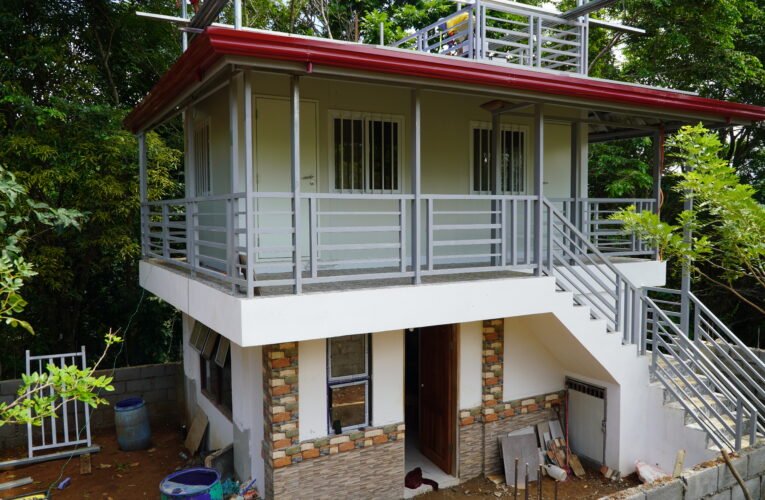
SmartHouse Prefabs: The Future of Sustainable Resorts and Homestays in the Philippines

In a nutshell, SmartHouse offers a modern alternative to traditional housing by addressing issues related to cost, speed, space, and environmental impact. Whether you’re a millennial aiming to invest early in property, an OFW building for your family, or an investor focusing on low-cost rentals, prefabricated homes provide durability, quick construction, and long-term value.

With the ability to fit on  small lots, remote land, or even penthouse floors, SmartHouse is changing how Filipinos view home ownership today. The possibilities are endless—from resorts, prefab gyms, commercial buildings, and apartments to residential hospitals, the sky is the limit with SmartHouse prefab.

Okay, it may seem odd and hard-sell to feature a Smarthouse prefab company on a travel and tourism website, but it will make sense once we start thinking creatively. The Philippines, like any country, needs revenue for its travel and tourism industries to thrive, so local government units support efforts to boost their cities, provinces, and municipalities to achieve these goals.

In the short term, travel and tourism can be boosted through increased visibility and engaging efforts through proper advertising, such as:


  1. Tactile & Immersive Pop-up Experiences
  • Travel fair booths & kiosks: Deploy foldable modular kiosks at tourism expos and fairs—stunning visuals, quick setup, reusable, and relocatable. Quick-deploy kiosks at airports, malls, or towns to distribute brochures and engage travelers in immersive experiences.
  • Tourism activation zones: Place branded pop-up structures in key tourist spots or even cities and municipal airports (e.g., Boracay, Vigan, El Nido), offering immersive previews or VIP lounges.
  1. On-Site Accommodation with a Marketing Edge
  • Showcase stay pods: Install sleek, branded container houses in destinations allowing travelers to “experience before they book”—e.g., airport preview units or in-lobby micro-lodging. Mini stay units showcasing specific destinations—e.g., mountain retreats, beach mini‑resorts—letting visitors tangibly feel the brand.
  • Event-specific housing: Use modular units as temporary lodging during festivals or conferences—integrate digital screens or brand storytelling within. Temporary lodging at fiestas, concerts, or conferences—dual-purpose branding and accommodation.
  1. Strategic Digital Signage Venues
  • Kiosks with integrated screens: Equip modular units with digital displays promoting local experiences, guided tours, or live social media feeds, leveraging interactive signage solutions popular in malls and public venues
  • Wayfinding & info booths: Deploy as touch-responsive, branded wayfinding stations at tourist hotspots, partnering with content providers for dynamic updates. Or maybe create Instagram-worthy modular zones tied to local attractions—e.g., “Pasalubong Pods” or “Photo Op Cabins.”
  1. Marketing as Added Value
  • Mobile brand showcases: Use movable prefab structures for roadshow marketing in satellite cities or provincial tourism centers—instant brand visibility where crowds naturally gather.
  • Co-marketing with LGUs: Collaborate with local governments to establish branded infospots or welcome centers using modular SmartHouse builds—maximizing foot traffic and partnership potential.


All in all, a fleet of foldable SmartHouse units that can be rotated across key locations for extended marketing visibility is a big help in advertising our tourist destinations all over the Philippines. With the assistance or even subsidy of the national or local governments for a one-time cost, this is a big possibility.

Furthermore, in the long run, local governments can improve their tourist attractions by developing more affordable Airbnb options and using less expensive resort accommodation alternatives. Smarthouse has gained a reputation for creating appealing and world-class units fit for resorts or micro accommodations.


Who These Initiatives Attract
  • Local Tourists & Urban Explorers: Engaged at malls, airports, and urban centers—drawn by interactive, immersive setups.
  • International Travelers: At entry points like airports or cruise terminals—small-scale accommodation previews make an impression.
  • Event-Goers & Locals in Destination Hubs: Engaged at festivals, exhibitions, or tourist numbers; modular lounges or stay units double as experience touchpoints.
  • Content Creators & Social Media Enthusiasts: Eye-catching modular setups easily become trending photo spots.
  • Local Partners & LGU Visitors: Branded, functional modular units strengthen government and tourism board partnerships, showcasing investment in visitor experience.


Strategic Tips for SmartHouse
  1. Collaborate with Tourism Boards & LGUs to co-brand and deploy modular structures at high-traffic zones—helping travel brands gain exposure and add value to destinations.
  2. Integrate Digital Signage Technology—partner with signage platforms to transform modular builds into dynamic promotional tools
  3. Offer Thematic Customization—e.g., tropical, heritage, mountain, fiesta themes that reflect local attractions; makes modules visually aligned with location branding.
  4. Emphasize Mobility & Efficiency—highlight quick set-up, fold-flat transport, and reusability—appealing to campaign-driven marketing budgets.
  5. Track Engagement—embed sensors or QR codes to monitor visitor interaction; provide clients with analytics on reach and dwell time.


SmartHouse Philippines stands at a strategic intersection of modular innovation and experiential marketing. By leveraging their customizable, resilient, and transportable prefab structures, they can revolutionize how tourism brands engage audiences—making every activation portable, memorable, and impactful.

Resources: YouTube; Carousel; Instagram; and Tiktok

For details call: Ms. Alezandra Brantley at (02) 8423-5817 or email at alezandra.brantley@smarthouseprefab.com.ph

VIAJERO KULTURA PILIPINAS: ESTABLISHMENTS, TECHNOLOGY

Why Francisco Motors’ Modern Jeepney Can Become the New Icon of Philippine Tourism

Transport has always been crucial worldwide. It delivers people, products, and services on time and where needed. People who need to get there more so. It can be used to reach work, visit, or holiday destinations. Transportation is always useful.

After WWII, jeepneys became the dominant means of transportation in the Philippines. It’s inexpensive and dependable, but today’s consumers want convenience over all else. Taxis were pricey and luxurious back then, and they remain so even today when FX, Grab, and other ride-hailing applications have emerged.

Nowadays, Grab is as common as cabs. Progress?  Your guess is as good as mine. Nevertheless, the jeepney, which succeeded the horse-drawn calesas as the “king of the road,” is currently experiencing a renaissance.

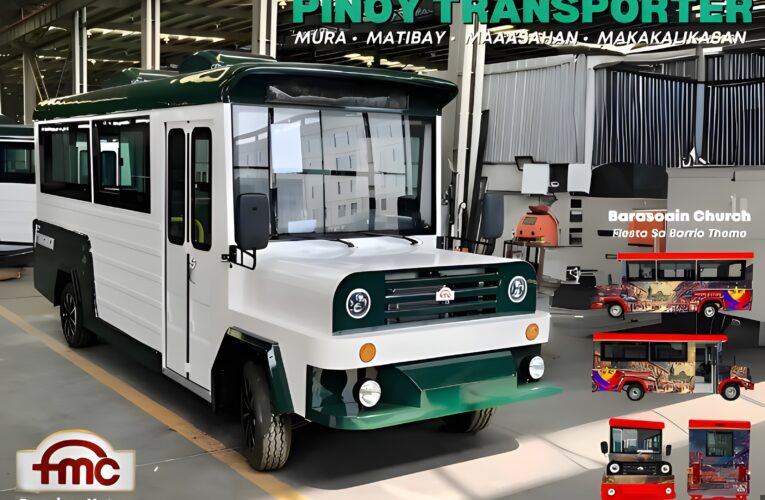
Francisco Motors, one of the pioneers of the Philippine jeepney, is doing a revival by reintroducing a modern jeepney that has existed since 2018. FMC never released the unit, much less put it up for sale, as it was then so expensive. Now, Mr. Elmer Francisco, the CEO of Francisco Motors, is putting his creation out there years later but encountering a few roadblocks along the way.

But as they say, when adversity strikes, there’s an opportunity to be had there somewhere. Partnerships can be formed, and efforts can be mutually beneficial and symbiotic. And Francisco Motors may be a good fit for the travel and tourism industry here in the Philippines if it is just given the chance and opportunity. How? Just by elevating the tourist experience.


Iconic Filipino brand

Culturally, the jeepney and its unique aesthetic have already garnered worldwide attention. Jeepney rides have also become a quintessential tourist activity—especially in Manila—and Francisco’s modern, electric jeepneys preserve the colorful, cultural aesthetic while offering cleaner and safer rides. This idea might just catch on, as back in the US, in New York, to be exact, an idea to have jeepneys there as a mode of transport is being discussed.


Sustainable mobility for tourists

The fully electric Francisco Jeepney is priced at ₱985,000—about two to three times cheaper than imported e-jeeps, making it a practical green alternative for tour operators and city loops.


Signature routes and themed tours

Francisco Motors’ proposed “TsuperHero Program” includes unlimited-ride passes on set routes—ideal for curated city-hopping circuits tailored to tourists.

The TsuperHero Program allows operators to retain ownership of franchises and earn from ticket sales, while riders enjoy unlimited passes—supporting driver income flow and co-op viability


Supporting Tourism Hubs & Eco-policies
  • National expansion potential: With a joint venture ordering 1,300 e-jeepneys and an electrification market estimated at US$10 billion (for ~200,000 units), Francisco Motors can meet growing transport demands of tourist hotspots like Palawan, Cebu, and Boracay
  • Environmental benefit aligns with “clean” tourism: Transitioning to electric and hydrogen-powered vehicles (via alliances with NetZero Global/Maharlika Carbon and LuftCar) helps cut CO₂ emissions and air pollution—a big plus in nature-based destinations

Francisco Motors stands at the intersection of culture, innovation, and sustainable mobility. Its affordable, locally made electric jeepneys can enrich the tourism experience, support environmental goals, and preserve driver livelihoods. Yet, persistent regulatory gaps, bureaucratic delays, and lack of inclusion in policy‑making hinder its full potential.

For travel and tourism in the Philippines to truly embrace these innovations, government entities—including LTFRB, DOTr, DTI, and tourism agencies—must collaborate more fluently with Francisco Motors. Tour operators and local governments can then further leverage Francisco’s unique blend of tradition, affordability, and green transport to elevate visitor experience across iconic destinations.

Video: A Francisco Motors modern jeepney in action.


VIAJERO KULTURA PILIPINAS: CULTURE & TECHNOLOGY

Israeli Startup Creates Booster Pack For Underwater Use

The world’s first completely hands-free underwater “smart scooter” is being introduced by a startup in Israel.

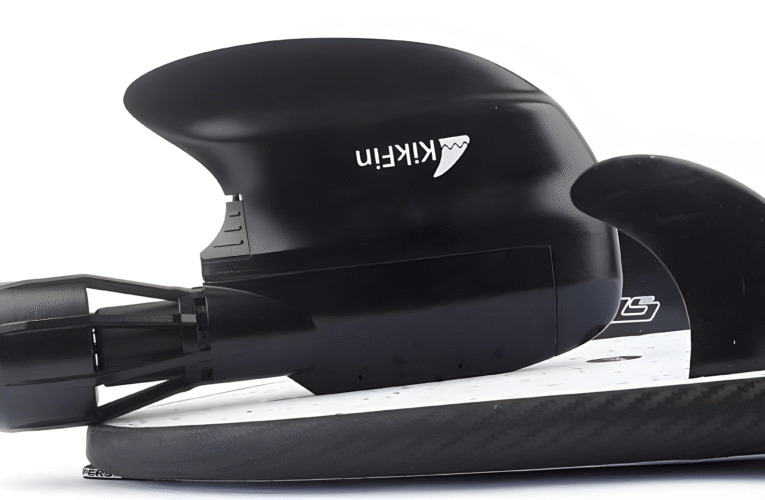
KikFin has developed a jetpack with fins that attaches to the back of a swimmer and propels them through the water at speeds akin to, but significantly faster than, those of an Olympic swimmer. It is also capable of attaching to surfboards, which is advantageous for beginners learning to catch waves.

The KikFin is worn as a vest, which allows the diver to free their hands. Since the introduction of torpedoes by sailors during World War II, swimmers have consistently appreciated the benefits of an underwater boost. Since then, technology has advanced, and there is now a vast selection of sea scooters (also referred to as diver propulsion vehicles) available for purchase.

They offer an additional boost to both professional scuba divers and amateur snorkelers.
However, the main drawback has always been the need for swimmers to hold onto the handles while propelling through the water. That is, until now.

Amihay Mines, the CEO of KikFin, claims that his jetpack not only liberates the user’s hands but also emulates the movements of dolphins and other mammals. The diver can alternate between five speeds by utilizing a remote-control glove (Courtesy). The hydrodynamic wings enable the swimmer to alter their direction with the slightest movement of their head.

“It is as if you are floating underwater,” Mines explains. “The water freely flows over your body.”

Swimmers also remotely control the five-speed motor using a glove that reacts to a finger push. The military exclusively employs a specific wireless technology that KikFin utilizes. This technology facilitates communication in both air and water environments.

It also includes a safety feature that can restrict the swimmer’s depth or distance from their starting point, as well as an application that monitors their performance, location, and speed.

In early 2019, it will be commercially released, initially targeting recreational users.
The KikFin can also be attached to a surfboard (Courtesy). However, Mines asserts that it will provide significant benefits to professional divers in any field, including oil and gas rigs, rescue services, fish farms, the military, and beyond, who require the use of their hands.

The KikFin was tested by Kateryna Sadurska, the Ukrainian freediving world champion. “It induces an extraordinary sensation,” she stated. “Your fins are unnecessary; your arms are free.” It is considerably simpler to prioritize safety and relish the experience of submerging oneself in water, thereby experiencing oneself as a water angel.

Mines, who grew up in the vicinity of Palmahim beach in central Israel, was an avid surfer. He pursued mechanical engineering at university, during which time he initiated the development of an initial prototype of the KikFin. At that time, it was intended to be mounted on a surfboard, providing surfers with disabilities access to a new world through a group known as Wave-Ability.

“My aspiration was to witness individuals with disabilities gain control and relish the thrill and excitement of catching a wave,” he declares. “I collaborated with a hydrodynamics professor at my university to develop that fin, which functions as a thruster that can be attached to a surfboard.”

The next phase involved modifying the fins to suit better swimmers, which increased their agility and speed.

Divers rotate their heads to alter their course. KikFin is offered in various versions. Swimmers and surfers wear it as a vest, while stand-up paddleboarders (SUP) and surfers wear it on their boards.
It is especially beneficial for novices, who frequently abandon their attempts to catch a wave due to their inability to acquire sufficient speed.

KikFin is capable of propelling users underwater at a speed of 9 km/h and on the surface at a speed of up to 12 km/h. An average swimmer can achieve a speed of 3 kilometers per hour. Michael Phelps, who has won 28 Olympic swimming medals, broke the world record for the 100-meter butterfly by achieving 8.8 kilometers per hour.

The rechargeable battery is capable of being replaced underwater, and the device operates at a depth of 40 meters, providing an hour of power at full speed. It has been subjected to over 5,000 hours of underwater swimming at Eilat, a resort on the Red Sea in Israel, with 50 testers ranging in age from 12 to 80 years old.

Cudajet, an additional device that is currently available, is also a hands-free jetpack. According to Mines, the underwater wireless control and the wings that render his device so maneuverable are absent.

VIAJERO KULTURA PILIPINAS; TECHNOLOGY