

Bacolod City: A Historical Perspective from the 1980s to the Present

Pre-1980s Background

Bacolod, located on Negros Island in the Western Visayas region, was originally a rural settlement founded in the 18th century. It grew rapidly during the Spanish and American colonial periods due to the sugar industry, making it the capital of Negros Occidental in 1894.

By the 20th century, it had become the center of a booming sugar economy, home to many hacienderos (sugar barons) and sacadas (seasonal workers). This economic model created stark social divides, with a wealthy elite and a struggling working class.

In the early 1980s, Bacolod and the rest of Negros Occidental plunged into economic and social turmoil due to the collapse of the sugar industry.

Monocrop Economy: The province was heavily dependent on sugar, and global sugar prices crashed in the late 70s and early 80s.

Marcos-era Mismanagement: The Philsucom-Nasutra monopoly, created under Ferdinand Marcos and run by his crony Roberto Benedicto, was accused of underpaying planters and manipulating sugar trading.

Mass Hunger and Malnutrition: Widespread famine occurred in Negros in 1985, and thousands of children died of malnutrition. Images of starving children caught national and international attention.

Social Unrest: The extreme inequality led to increased activism and insurgency, particularly from the New People’s Army (NPA). The island became a flashpoint of conflict.


Recovery and Reinvention (Late 1980s–1990s)

After the  EDSA People Power Revolution in 1986, which ousted Marcos, Bacolod started rebuilding:

As Marcos’ hand let go of Bacolod, new local leadership emerged, more attuned to participatory governance. NGOs, the Church, and civil society (especially groups like Task Force Sugarlandia) mobilized relief, feeding programs, and land reform advocacy.

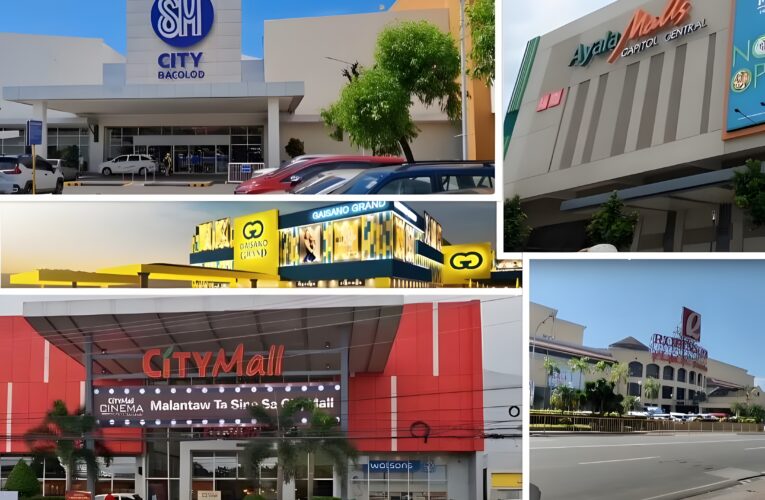
Recognizing the danger of a monocrop economy, Bacolod began economic diversification. The retail and banking sectors began to flourish, while housing and mall developments notably increased due to the efforts of the Lopue and Ayala groups. And with information technology flourishing, the groundwork for Bacolod’s BPO sector began in the late 1990s.


MassKara Festival

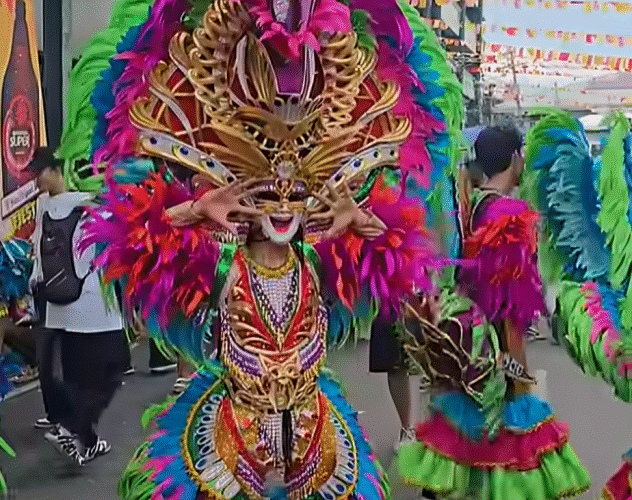
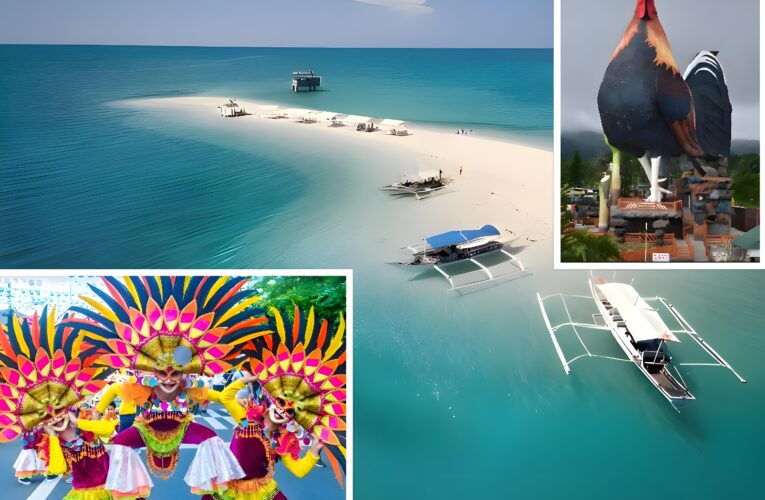
Just as Bacolod City was beginning to rebuild its life, another tragedy struck the city. The city was mourning the Don Juan ferry disaster. As a result of this misfortune, the resilience and optimism of the Ilonggo people were highlighted by the creation of the MassKara Festival in 1980. The smiling masks became a symbol of Bacolod’s defiance and creative spirit.

Over time, it evolved into a major cultural and tourism event, significantly boosting Bacolod’s national and international image.


Urban and Economic Expansion in the 2000s–2010s

The Department of Information and Communications Technology (DICT) declared Bacolod a Center of Excellence for IT-BPM. Major companies like Convergys, Teleperformance, and Transcom set up operations in the city. Job creation and the rise of a young urban workforce transformed the economy.

The city expanded its roads, flyovers, and transport terminals. The Bacolod–Silay International Airport opened in 2008, replacing the old domestic airport and facilitating business and tourism.


Real Estate and Lifestyle

The city experienced a real estate boom, with new malls (like SM City Bacolod and Ayala Capitol Central) and residential developments. Mixed-use estates like Megaworld’s The Upper East and Vista Land’s Communicity emerged, redefining urban living.

In the 2020s to the present, successive mayors implemented transparency measures, investment incentives, and public-private partnerships. The Business One-Stop Shop (BOSS) made the city one of the most business-friendly in the country.

Bacolod started integrating smart city elements: digitized government services, smart traffic lights, and e-governance systems. The Bacolod Comprehensive Land Use Plan (CLUP) included provisions for green space, zoning, and climate adaptation.

With progress come challenges. Traffic congestion, waste management, and urban sprawl continue to be issues for the city, as do informal settlers and housing backlogs.

Today, Bacolod is one of the fastest-growing cities in the Visayas. A strong arts and design scene thrives with festivals, galleries, local fashion, and food. It’s home to prestigious institutions like the University of St. La Salle and UNO-R. Now, people from across the country (and expats) move to Bacolod for its relatively low cost of living, laid-back lifestyle, and economic opportunity.

Various international publications now recognize the city as one of the top places to live and retire in the Philippines.

VIAJERO KULTURA PILIPINAS, BACOLOD CITY: HISTORY & ADVENTURES!

Festival Season Rates: How to Lock in MassKara Month Rooms Without Breaking the Bank

Every October, Bacolod City transforms into a dazzling spectacle of smiles, colors, music, and merriment during the world-famous MassKara Festival. But along with the confetti and fireworks comes another thing that skyrockets—hotel prices. If you’re planning to join the festivities without burning through your travel budget, here’s how to score great MassKara month accommodations without breaking the bank.

Why October Rates Go Up

The MassKara Festival draws thousands of local and international tourists every year. Due to the demand:

  • Hotels raise rates as early as August.
  • Most city center lodgings near Lacson Street get fully booked by early September.
  • Walk-ins during the peak weekend (3rd or 4th weekend of October) may be rejected or offered premium rates.
 Early Bird Wins: Book 3–6 Months Ahead

The best tip to beat the price surge? Book early:

  • April to June: Base rates or minor peak adjustments.
  • July to August: Promo rates may still be found with prepayment.
  • September onward: Rates climb steadily.
  • Some hotels offer non-refundable early bird packages for up to 30% off.

Pro Tip: Use price-tracking tools like Google Travel, Agoda Alerts, or join local Bacolod travel groups for insider deals.

Budget-Friendly Accommodations (₱500–₱1,500/night)

You don’t need a five-star budget to enjoy the festivities:

Watch for: Private CR, fan vs. AC rooms, curfew policies for smaller inns.

Alternative Stays Just Outside the City

Lodging in nearby towns (15–30 minutes away) offers quiet stays and lower prices:

  • Talisay City—close, connected via jeepneys and Grab.
  • Silay City—a charming heritage town, just 20 minutes from Bacolod.
  • Murcia—For nature lovers, with scenic routes and private rooms.

Commute-friendly tip: Check if the area has access to 24/7 public transport or shuttle services.

Bundle Deals: Festival Packages & Tour Group Blocks

Some Bacolod-based tour agencies or Manila organizers offer:

  • Festival packages with hotel, airport transfer, and walking tours
  • Group discounts with 4–6 pax sharing arrangements
  • Special tie-ups with mid-range hotels like Go Hotels, MO2 Westown, or Avenue Suites

Pro Tip: These packages often include MassKara masks, food coupons, and VIP access to party events.

Avoid Peak Dates if You’re Budget-Savvy

MassKara typically peaks during the third weekend of October.

  • Lodging is up to double the price from the weekdays before and after.
  • Solution: Come a week early, enjoy the pre-events and quieter streets, and snag cheaper accommodations.
Use Rewards, Cashback & Vouchers

If booking online:

  • Use credit card perks with Agoda, Booking.com, or Traveloka.
  • Join hotel membership clubs or download their apps for exclusive discounts.
  • Stack vouchers or cashback from platforms like ShopeePay or  GCash Travel.
Call Direct, Skip the Middleman

Sometimes, the lowest rates aren’t online. Call the property directly:

  • Ask for “MassKara regulars’ rates” or “promo stays for advance booking.”
  • Request whether they offer long-stay or group discounts.
  • Inquire about deposit-only reservations so you can secure rooms even without full payment.
Bonus: Where NOT to Stay If You Want Sleep

MassKara is one big street party, especially along Lacson Street. If you’re a light sleeper:

  • Avoid rooms facing Lacson, 18th St, or Goldenfields.
  • Ask for rooms not facing the road or bring earplugs.
  • Consider more peaceful areas like Capitol Shopping, Mandayao, or Bangga Cory.
VIAJERO KULTURA PILIPINAS, BACOLOD CITY;  WANDER WELL