
From Manila to the City of Smiles: 6 Door-to-Door Routes to Bacolod City

Travel Tips
  • Always check ferry schedules in advance. They change due to weather or maintenance.
  • Use apps like Sakay.ph, Rome2Rio, or local Facebook travel groups for updated van/bus schedules.
  • Bring meds, water, and snacks, especially on land-sea combo trips.
  • When using RoRo, it’s best to book vehicle slots in advance, especially during holidays.
  • Book flights at least 2–3 weeks ahead for lower fares.
  • Bacolod-Silay Airport is about 30 minutes from the city proper (₱500 taxi or ₱150 van).
  • Avoid booking last-minute during peak season (MassKara in October, holidays), as fares skyrocket.
By Plane (Fastest and Most Convenient)

Duration: 1 hour 10 minutes (flight) + land transfers
Total Estimated Travel Time: 2 to 3 hours
Ideal for: Business travelers, families, tourists wanting to maximize time

Step-by-Step:

  • Book a direct flight from Ninoy Aquino International Airport (NAIA) to Bacolod-Silay International Airport.
  • Major carriers like Philippine Airlines, Cebu Pacific, and AirAsia operate daily flights.
  • Upon landing, take a 30-45 minute taxi or van ride to Bacolod proper (around ₱500 by taxi or ₱200 by shared van).

Pros:

  • Fastest route
  • Many flight schedules
  • Ideal for short trips

Cons:

  • Pricey during peak seasons
  • Limited baggage for low-cost carriers
By RoRo (Roll-On/Roll-Off Route via Batangas & Dumaguete)

Duration: 24 to 28 hours
Ideal for: Budget-conscious travelers and those bringing their own vehicles

Step-by-Step:

  1. Drive or take a bus from Manila to Batangas Port (2-3 hours).
  2. Board a RoRo ferry to Dumaguete City (travel time: 12–15 hours).
  3. From Dumaguete, ride a bus or bring your car to San Carlos City via the scenic Negros roads (4-5 hours).
  4. Board another RoRo from San Carlos Port to Toledo, Cebu, or take the Don Salvador Benedicto route directly to Bacolod City by road (2-3 hours).

Pros:

  • Can bring your car
  • Experience multiple islands
  • Scenic coastal and mountain routes

Cons:

  • Long travel time
  • Weather-dependent schedule
By Ferry via Iloilo City

Duration: 20 to 24 hours
Ideal for: Travelers who want to explore Iloilo before heading to Bacolod

Step-by-Step:

  1. Take a bus or van from Manila to Batangas Port (2-3 hours).
  2. Ride an overnight ferry from Batangas to Iloilo City (about 18–20 hours).
  3. Upon arrival in Iloilo, go to Parola Wharf and ride a fastcraft or ferry to Bacolod (1–1.5 hours).

Fastcraft Operators:

Pros:

  • Two cities in one trip
  • Affordable sea travel

Cons:

  • Time-consuming
  • Sea conditions may affect schedules
By Bus and RoRo via Cubao or Pasay to Bacolod (Luzon-Visayas Land and Sea Adventure)

Duration: 24 to 30 hours
Ideal for: Adventure seekers, long-haul travelers on a budget

Step-by-Step:

  1. Ride a Philtranco or Ceres Liner bus from Cubao, Pasay, or Alabang with RoRo integration (usually via the Strong Republic Nautical Highway).
  2. Your route will pass through:
    • Manila → Batangas → Mindoro (Calapan or Roxas)
    • Roxas → Caticlan → Iloilo
    • Iloilo → Bacolod by fastcraft

Pros:

  • All-in-one fare option
  • No need to plan transfers independently

Cons:

  • Long ride
  • Limited availability
  • You’ll need patience and flexibility
By Van + Ferry Combo (Semi-Private or Charter Option)

Duration: 18 to 24 hours
Ideal for: Groups or those wanting a shared ride but more flexibility than a bus

Step-by-Step:

  1. Hire a private van or look for ride-sharing transporters offering door-to-door Manila-Bacolod routes.
  2. Travel via the same RoRo route as buses (through Mindoro or Iloilo).
  3. The van will drive straight to Bacolod with brief stops, and you stay onboard even during ferry crossings.

Pros:

  • Pick-up and drop-off at your door
  • Comfortable for small groups
  • Flexible stops

Cons:

  • Higher cost than public transport
  • May need coordination or agency booking
Drive Your Own Car (Ultimate Road Trip Route)

Duration: 24 to 30 hours
Ideal for: Road trippers, barkadas, families with kids

Step-by-Step:

  1. Drive from Manila to Batangas Port.
  2. Board a RoRo to Mindoro (Calapan).
  3. Cross Mindoro by car to Roxas Port and take another RoRo to Caticlan.
  4. Continue driving through Panay Island to Iloilo City.
  5. Ride a fastcraft or RoRo to Bacolod City.

Documents Needed:

  • Vehicle registration
  • Valid driver’s license
  • IDs for all passengers
  • Ferry reservations (optional, but recommended)

Pros:

  • Maximum flexibility
  • You control your own stops
  • Can bring luggage, pets, or gear

Cons:

  • Expensive on fuel and ferry tolls
  • Physically tiring
  • Needs logistical planning
VKP, BACOLOD CITY: WANDER WELL

When to Visit Bacolod City: Best Months, and Travel Tips

Bacolod City, commonly referred to as the “City of Smiles,” serves as the capital of Negros Occidental in the Western Visayas region of the Philippines. Famous for its friendly residents, delicious cuisine (hello, chicken inasal!), and lively festivals, Bacolod is a year-round destination—but certain months offer a little more magic (or practicality) than others.

Best Months to Visit Bacolod

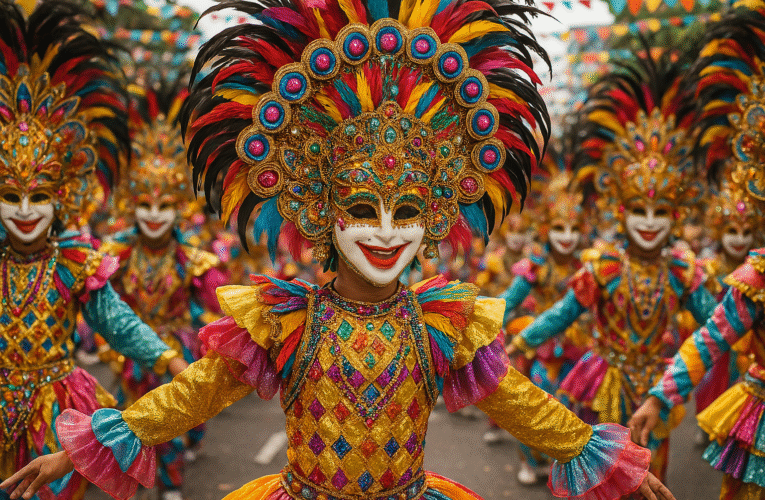
The absolute best time to visit Bacolod is October; it’s peak festive season. Thanks to its most iconic event:

MassKara Festival (3rd or 4th weekend of October)

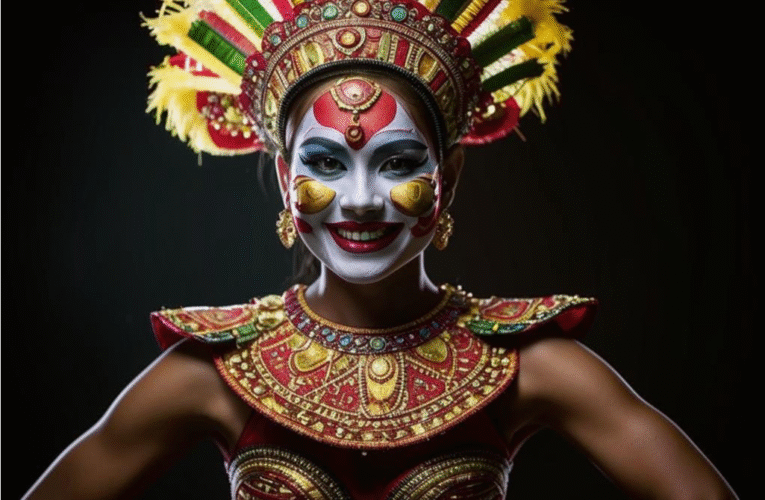
It is arguably one of the most colorful and energetic festivals in the Philippines. The streets come alive with smiling masks, elaborate costumes, street dancing, food fairs, and electric nightlife. During economic hardship and a tragic ferry accident in the 1980s, the city created this festival to uplift its spirits. Expect heavy crowds, high hotel prices, and a city buzzing with life.

Pro Tip: Book flights and accommodations at least 2–3 months in advance if you plan to come to MassKara.


December to February—Cool, Comfortable Weather

These are the cooler months, relatively speaking—Bacolod is tropical. The weather is pleasant, humidity is lower, and it’s a good time to explore nearby places like The Ruins, Lakawon Island, and Mambukal Resort.. There are Christmas events, lights, and street markets during this time, especially in public parks and city centers.


Lean and Off-Peak Months

June to September—Rainy Season (and Lean Tourism)

This is the rainy season, with July and August typically seeing the heaviest rains. Fewer tourists mean lower airfare and hotel rates. However, some tours may be limited due to weather, especially beach or nature-based trips.

June or early September can be an ideal time to explore without crowds and tolerate some rain.


Months to Avoid  (Depending on Your Plans)

July & August—Peak of Rainy Season

These are the wettest months, with possible typhoons affecting travel. Flash floods can occur in parts of Negros Occidental. Outdoor activities may be frequently canceled or rescheduled.


Late October–Early November

While October is vibrant, the few days after MassKara may feel a bit “hungover”—businesses and locals take a breather. Some spots may close or have shorter hours right after the festivities.


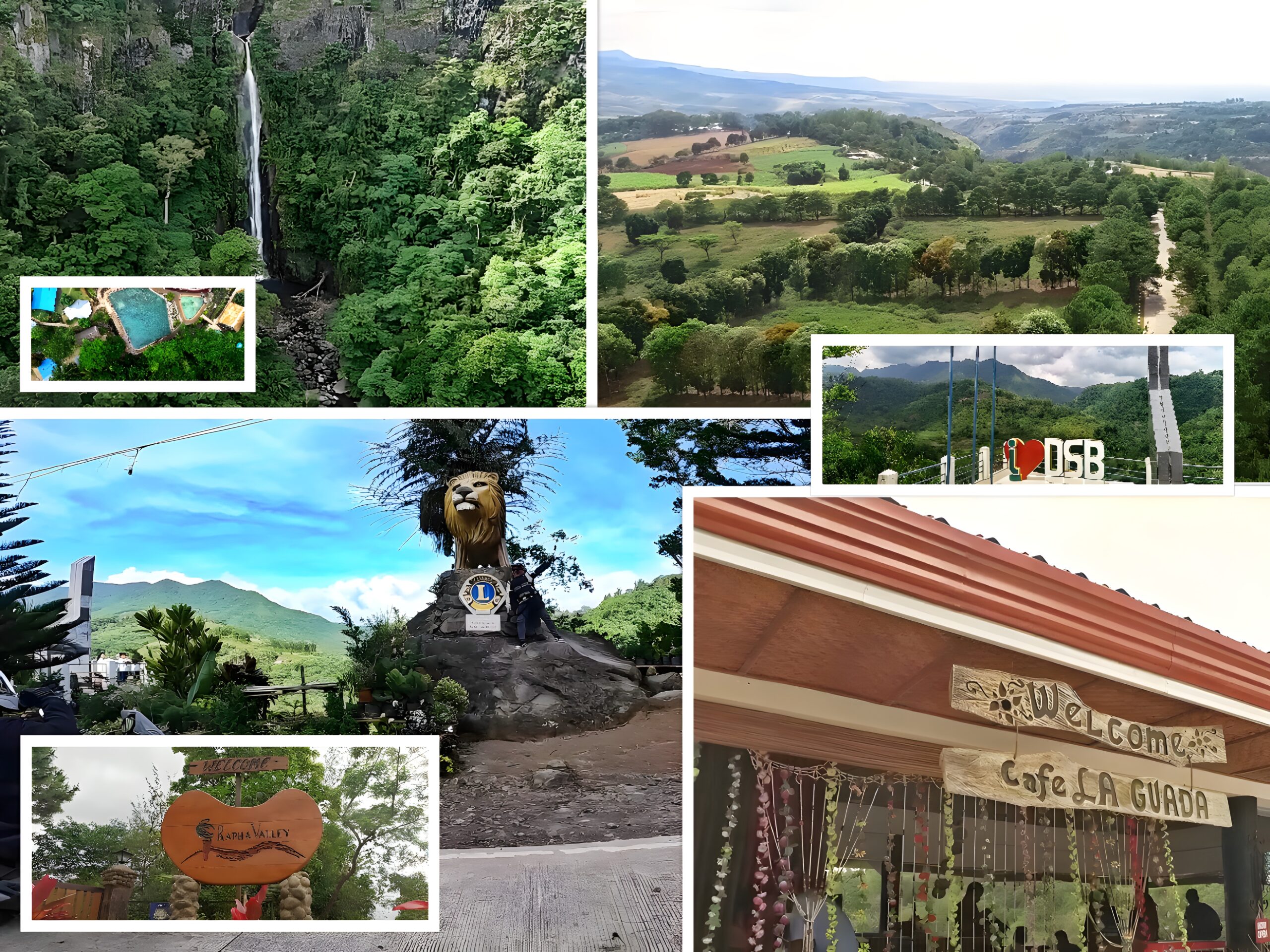
At this time, it will be opportune to head for the boondocks and visit DSB.

Check for information and guidance on the weather in Bacolod City in realtime,

VKP, BACOLOD CITY: READY, JET SET, GO!

The Best Ticketing Offices for Flights, Ferries, and Buses in Bacolod: Where to Get Them, How Much, and Hidden Discounts

FLIGHT TICKETING OFFICES IN BACOLOD

Bacolod is served by the Bacolod-Silay Airport, which provides flights to major destinations like Manila, Cebu, and Davao. To secure the best deals on flights, there are several official ticketing offices and travel agencies in Bacolod where you can book your flight.

BOOKING FLIGHTS:
  • Philippine Airlines (PAL) Ticketing Office
      • Location: Old Bacolod Airport Terminal, Araneta Ave., Bacolod City, 6100 Negros Occidental
      • Contact: +63 34 435 6016
      • Flight Destinations: Manila, Cebu, Davao, Iloilo, and more
      • Special Offers: PAL often runs domestic flight promos during off-peak seasons. Look out for the PISO Fare promos, especially during sales events.
  • Cebu Pacific Air Ticketing Office
      • Location 1: G/F Victorina Arcade, Rizal St., Bacolod City
      • Contact:Line: 034-4323530 to 32
      • Chat: @travelloungevictorina on FB/IG
      • Other Alternatives
      • Flight Destinations: Manila, Cebu, Davao, and other regional destinations
      • Special Offers: Cebu Pacific frequently offers Seat Sale fares with discounts up to 90%. Keep an eye out for flash sales that happen every month. Sign up for their newsletter to get early notifications on sales.
  • AirAsia Ticketing Office
      • Location: No specific AirAsia ticketing office listed for Bacolod City. However, you can book tickets online through the AirAsia website or the AirAsia MOVE app. You can also find support and manage bookings through the AirAsia website. For airport-related services, the AirAsia office is located at Bacolod–Silay International Airport.
      • Flight Destinations: Manila, Cebu, Davao, Boracay, and other major hubs in the Philippines

How Much?

  • Manila to Bacolod: Flights range from ₱1,500 to ₱4,500, depending on the airline, booking period, and seasonal promotions.
  • Cebu to Bacolod: Flights range from ₱1,000 to ₱3,500.

Hidden Discounts:

  • Sign-up Offers: Most airlines offer first-time customer discounts when you subscribe to their newsletter or mobile apps. PAL, Cebu Pacific, and AirAsia are particularly good with app-only exclusive discounts.
  • Promo Code Alerts: Look for third-party travel websites or social media pages that distribute promo codes for additional discounts on flight bookings.
FERRY TICKETING OFFICES IN BACOLOD

Bacolod, located on the coast of Negros Island, is a major hub for ferry travel to other key regions, particularly to Cebu, Iloilo, and Manila. The primary port for ferries is the Bacolod City Port, which services several major shipping lines.

  • 2GO Travel Ticketing Office
    • Location: 2GO Ticketing Office, SM City Bacolod
    • Contact: +63 34 434-2905
    • Routes: Manila, Cebu, Iloilo, and more
    • Special Offers: 2GO often has Super Value Fares, with discounts for off-peak dates. You can book tickets directly through their website or app to avail additional discounts.
  • OceanJet Ticketing Office
        • Location: Simplicio Palanca Seaport Terminal, Bredco Port 2 Reclamation Area, Bacolod City
        • (4:30AM – 4:40PM MON TO SAT) (6AM – 4:40PM SUN ONLY)
        • Contact:
        • Line: 4619224 loc 034
        • Cell: 0923-089-4167
        • Mail: bacolod@oceanjet.net


    • Other Contacts


        • Routes: Bacolod to Iloilo, Bacolod to Cebu
        • Special Offers: OceanJet offers frequent discounts for early booking, especially during the off-peak season. They also have early-bird promotions where you can save up to 30% by purchasing tickets in advance.
  • Also check out Montenegro Lines, and Weesam Express.
BUS TICKETING OFFICES IN BACOLOD

Bacolod is well-connected to nearby cities like Iloilo, Dumaguete, and Cebu by bus. There are several bus terminals and ticketing offices located throughout the city, offering both provincial and regional routes.

    • Ceres Bus Line Ticketing Office
      • Location 1: Ceres Bus Terminal, Sagay
      • Address: Provincial Highway, Poblacion II (Brgy. 2), 6122 Sagay City, Negros Occidental
      • Contact: (033) 321 3591
      • Bacolod North Terminal: 09104326704 Rey Anolobling
      • Bacolod North Terminal: 04949938366 / 09532275999 Rey Dela Torre
      • Routes: Bacolod to Iloilo, Bacolod to Cebu, Bacolod to Dumaguete, Bacolod to Kabankalan, and other regional routes
    • Vallacar Transit Ticketing Office
      • Location: Lopez Jaena St., Bacolod CIty, Philippines
      • Contact:
        Mail: bacsouth@ygbc.ph
      • Routes: Bacolod to Iloilo, Bacolod to Cebu


    Other Transport Modes and Schedules

How Much?

  • Bacolod to Iloilo (Ceres Bus): ₱150-₱300 one-way, depending on the class of service
  • Bacolod to Cebu (Ceres Bus): ₱400-₱600 one-way for air-conditioned buses
  • Bacolod to Dumaguete (VTI): ₱250-₱400 one-way for standard buses

Hidden Discounts:

  • Senior Citizen/PWD Discounts: Be sure to present valid IDs for discounts at bus terminals.
  • Group Tickets: Discounted group rates (5 or more people) are available for certain routes, particularly for school or organizational trips.
  • Off-Peak Discounts: During low-season travel, buses tend to offer discounted tickets, especially for routes not heavily frequented.
ALL-in-ONE TRANSPORT TICKETING OFFICE IN BACOLOD

Ticket1-Ayala Malls Capitol Central

Address: Ground Floor. Ayala Malls Capitol Central, Gatuslao Street, Bacolod City

Mobile No. (0917) 102-5099

Operating Hours: Mondays to Thursdays & Sundays, 10 AM to 9 PM • Fridays & Saturdays 10 AM to 10 PM

Ticket1-CityMall Mandalagan

Address: Ground Floor, CityMall Mandalagan, Lacson Street, Bacolod City

Telephone No. (034) 432-9218 • Mobile No. (0917) 133-6211

Operating Hours: 9 AM to 9 PM Daily

Ticket1-888 Chinatown Square Premier Mall

Address: Ground Floor, 888 Chinatown Square Premier Mall, Gatuslao Street, Bacolod City

Telephone No. (034) 474-0418 • Mobile No. (0917) 102-4575

Operating Hours: 10 AM to 8 PM Daily

Bacolod offers a wide array of ticketing options for air, sea, and land travel, making it a convenient launchpad for both locals and tourists. By booking your tickets strategically and exploring all the ticketing offices, travel agencies, and online portals, you can unlock hidden discounts and ensure a smooth and budget-friendly journey.

Whether you choose to fly, sail, or drive, be sure to monitor promotional fares, group discounts, and seasonal offers to secure the best deals. Don’t forget to sign up for newsletters, download airline or ferry apps, and check third-party travel websites for the latest updates on ticket sales.

Safe travels!

VKP, BACOLOD CITY: WANDER WELL

Commonly-Used Conversational Hiligaynon Phrases And Questions

Getting around Bacolod City for the first time can be tricky for tourists and local visitors who come from other parts of the Philippines. There could be a language barrier here, too, if you don’t know how to get around the place. Here’s a handy lexicon of commonly used conversational Ilonggo (Hiligaynon) phrases and questions for tourists and non-Ilonggo-speaking visitors, especially useful in Bacolod and other parts of Western Visayas and Negros Occidental.

Basic Greetings & Polite Expressions

Ilonggo Phrase English Translation
Maayong aga Good morning
Maayong udto Good noon
Maayong hapon Good afternoon
Maayong gab-i Good evening
Kamusta ka? How are you?
Salamat Thank you
Wala sang sapayan You’re welcome
Pasensya na Sorry / Excuse me
Palihog Please
Pwede ko magpamangkot? May I ask a question?


Getting Around / Directions

Ilonggo Phrase English Translation
Diin ang ___? Where is the ___?
Diin ang CR? Where is the restroom?
Malayo pa? Is it still far?
Sa wala To the left
Sa tuo To the right
Diretso lang Just go straight
Lapit lang? Is it near?


Shopping & Market Phrases

Ilonggo Phrase English Translation
Tagpila ini? How much is this?
Pwede maka-discount? Can I get a discount?
Mahal man ah. That’s expensive!
May lain pa nga kolor? Do you have other colors?
Diin ang merkado? Where is the market?


Food & Dining

Ilonggo Phrase English Translation
Gutom na ko. I’m hungry.
Namit gid! Very delicious!
Wala ko ka intyende sang menu. I can’t understand the menu.
Ano ini? What is this?
Pwede ko mag-order? Can I order?
Tubi lang anay. Just water for now.
May pagkaon kamo nga walay karne? Do you have vegetarian food?


Transportation

Ilonggo Phrase English Translation
Sakay ta jeep? Shall we ride the jeepney?
Sa diin ang terminal sang jeep? Where is the jeepney terminal?
Ano ruta sini? What is this route?
Pila pamasahe? How much is the fare?
Lugar lang (Say this when you want to get off a jeepney)


Common Local Questions & Phrases

Ilonggo Phrase English Translation
Tagadiin ka? Where are you from?
Bisita ka lang? Are you just visiting?
Ano ngalan mo? What’s your name?
Daw nami sina ah. That looks nice!
Te, may ara ka pa pamangkot? So, do you have more questions?

Polish on your Hiligaynon-Ilonggo speak.

VKP, BACOLOD CITY: READY, JET SET, GO!

The Best Historical, Ancestral, and Legacy-Rich Locations Around Bacolod City

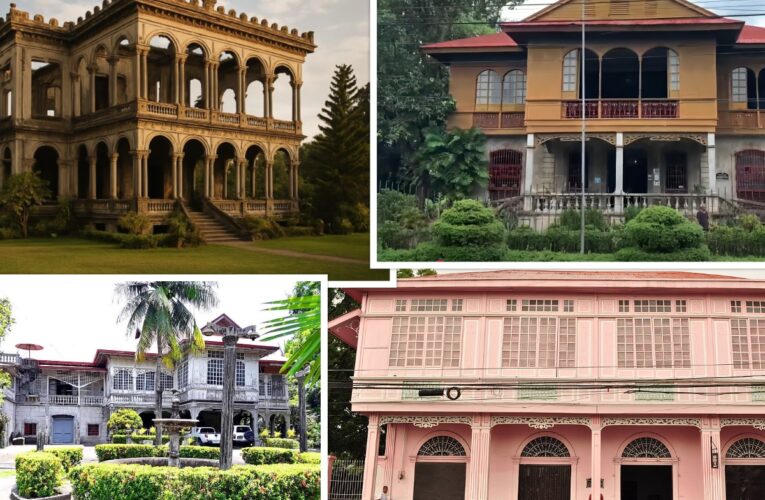
(Clockwise: The Ruins, Silay; Balay Negrense; Bernardino Jalandoni Museum; and The Yulo House)

Bacolod City has a profound historical and cultural significance. The city’s ancestral homes, heritage structures, and legacy-rich landmarks have a significant influence on its tourism industry and are essential to its identity.


Why These Places Matter for Travel & Tourism:
  • Cultural Identity: They embody the city’s rich colonial history, religious devotion, and sugar-based aristocracy.
  • Educational Value: Students, scholars, and travelers can explore Negrense lifestyle, economy, and politics.
  • Economic Boost: These sites help generate local income via tours, entrance fees, guide services, and nearby food and souvenir shops.
  • Sustainable Tourism: Promotes heritage conservation while inviting responsible tourism that appreciates Bacolod’s soul beyond its modern facade.

The following are the most significant historical, ancestral, and legacy-rich locations in Bacolod, along with their descriptions, significance, and importance to travel and tourism:


The Ruins (Talisay, near Bacolod)

This iconic structure is the skeletal remains of a grand Italianate mansion built in the early 1900s by Don Mariano Ledesma Lacson in memory of his wife, Maria Braga. It is made with a unique blend of concrete and egg whites, and its elegance still stands out despite being burned down during World War II. People often refer to The Ruins as the “Taj Mahal of Negros,” symbolizing undying love and resilience.

A major photo-op spot and a favorite for weddings and local history tours. It draws both local and international tourists. Directions.


Balay Negrense (Silay City, near Bacolod)

Balay Negrense is a preserved ancestral house-turned-museum showcasing the lifestyle of a 19th-century Negrense sugar baron family. The house was originally owned by Victor Fernandez Gaston. It highlights the opulence of the sugar industry’s golden era and the Spanish-Filipino architectural blend.

With regard to tourism, the site offers an immersive glimpse into the island’s rich sugar-based heritage, attracting heritage tourism and educational visits. Directions.


Bernardino Jalandoni Museum (The Pink House, Silay)

The museum’s distinctive pink exterior draws attention, concealing a wealth of family heirlooms, furniture, and a glimpse into the past of a prominent sugar family.

The Jalandoni House was the first National Historical Landmark in the City of Silay to be designated as such by the National Historical Institute on November 6, 1993. Directions.


The Yulo House

A two-story house constructed in the early 20th century by the late Don Mariano Yulo, a former governor and senator during the Commonwealth Period. Located in Yulo’s Park in Barangay 14, Bacolod, the house was constructed on August 10, 1919, out of high-quality lumber, has endured the passage of time, and has been used as a location for meetings of sugar barons in Negros. Unveiled last year, August 22, 2024, with the acceptance and signing of the turnover, was The Heritage Park Marker by The National Museum of the Philippines.

The house, situated in the heart of the stunning 6,000-square-meter landscape of Yulo’s Park, is also home to antique dining wares, chairs, tables, and mattresses that are utilized for a variety of state affairs. Notable figures, including the late presidents Manuel L. Quezon and Sergio Osmeña, have attended these events.


San Sebastian Cathedral

San Sebastian is a majestic coral stone cathedral built in the late 19th century with a baroque architectural style, located at the heart of Bacolod. The cathedral stands as a spiritual and cultural centerpiece, a witness to the city’s religious devotion and colonial past.

San Sebastian is a popular destination for pilgrims, cultural tourists, and history buffs, particularly during Holy Week and local feast days. Directions.


Pope John Paul II Tower

Pope John Paul II Tower is a seven-story building that commemorates the historic visit of Pope John Paul II in 1981. The structure represents Bacolod’s deep Catholic roots and the lasting impact of the papal visit.

Currently, it serves as a pilgrimage site and a symbolic landmark that offers a stunning panoramic view of the city. Directions.


Negros Museum

Housed in the old Provincial Capitol building, it features art, artifacts, and dioramas illustrating Negrense history, culture, and society. The museum itself serves as a custodian of the island’s heritage, especially its sugar-based economy and multicultural influences.

The Negros Museum is a must-visit for students, educators, and culturally curious travelers. Directions.


Hofileña Ancestral House (Silay)

The Hofileña Ancestral House is one of the oldest heritage homes in Silay and is still owned by the Hofileña family. It holds antique collections, paintings, and even a rare Rizal signature. As curator, the ancestral home preserves family legacies and stories that shaped Negros Occidental’s elite.

For interested parties, the Hofileña Ancestral House offers guided tours filled with intimate and personal storytelling, creating a nostalgic and educational experience. Directions.


Capitol Park and Lagoon

The Provincial Capitol Building fronts a public park adorned with iconic carabao statues and expansive green spaces. It also serves as a historical civic center and a hub for public gatherings, protests, and celebrations.

Moreover, it’s also a leisure spot for locals and a landmark that offers insight into the social and political pulse of Bacolod. Directions.


Other historical and ancestral treasures: Lizares Mansion, Mariano Ramos Ancestral House, Balay ni Tana Dicang, Montilla House (ruins), et al… Further reading includes historical and ancestral homes that have been converted into restaurants, as well as other rentable buildings.

VKP, BACOLOD CITY: HISTORY & ADVENTURES

Bacolod City 2025 Travel Guide: New Attractions, Accommodations, and Tourism Highlights

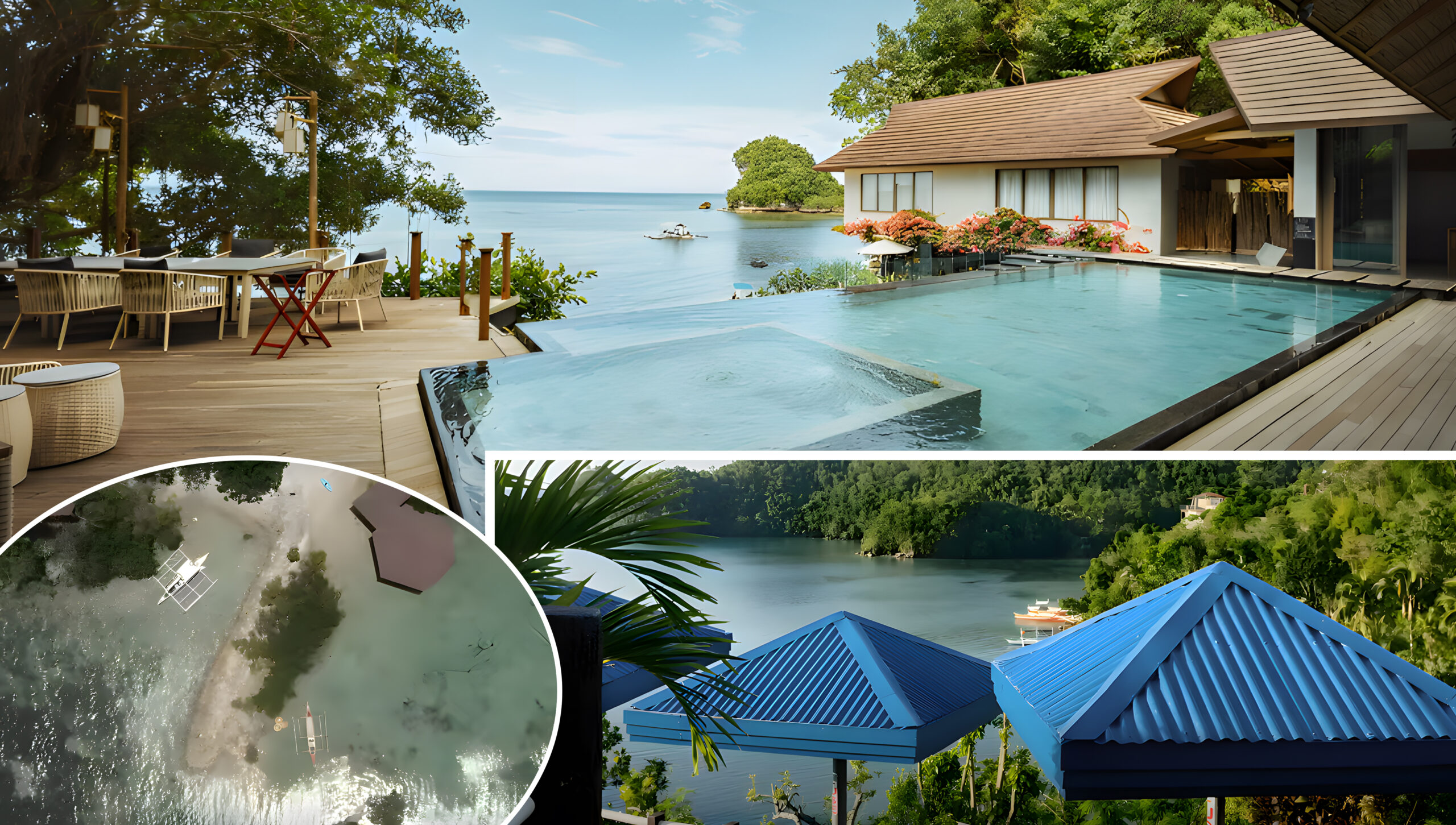
(Clockwise: Carbin Reef; Manok ni Cano Guwapo in Campuestuhan in Talisay; Masskara)

Bacolod City captivates tourists with its historical atmosphere, vibrant cultural scene, and unique attractions. City officials plan to launch new tourist sites together with hospitality facilities to make Bacolod more attractive for residents and visitors from abroad by 2025.


Travel Tips


Getting There:

Bacolod is accessible via Bacolod-Silay Airport, with regular flights from major Philippine cities.​


Best Time to Visit:

October for the MassKara Festival; however, the city offers attractions year-round.​


Transportation:

Jeepneys, tricycles, and taxis are common modes of transport within the city.​

New & Emerging Tourist Attractions


Manok ni Cano Gwapo

Located just inside Campuestohan Highland Resort in Talisay, this 35-meter-tall, rooster-shaped hotel holds a Guinness World Record as the most prominent building shaped like a chicken. Opened in October 2024, the establishment features 15 rooms paying homage to Negros Occidental’s rich cockfighting culture. Directions.

It also has a hotel that offers its visitors panoramic vistas while providing a unique accommodation experience.

Just this year, 2025, Campuestuhan, where Manok ni Cano Gwapo resides, has added a new attraction to its slew of eye-catching, gigantic statues. This time, a gigantic ape reminiscent of King Kong will awe you endlessly. Make that gigantic ape statues!


Carbin Reef

Carbin Reef inside the Sagay Marine Reserve, stands just a few kilometers away from Bacolod while providing clean white sandbars and lively coral reef environments where snorkelers can observe marine species. Directions.


Balay Negrense in Silay

The museum showcases the luxurious lifestyle of a 19th-century sugar baron together with period furniture and historical artifacts. It once was an ancestral home. Directions.


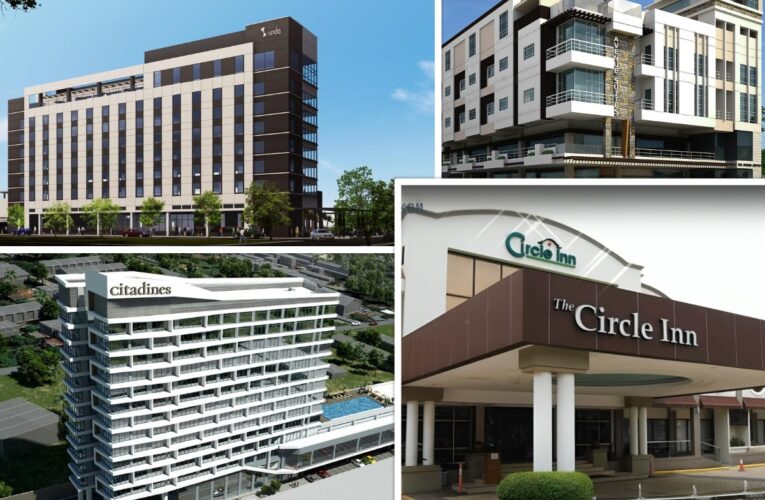
Top Accommodations in Bacolod


L’Fisher Hotel: The hotel features premium facilities with a rooftop pool and spa, which serve tourists and business travelers looking for upscale accommodations.

Seda Capitol Central: The hotel provides contemporary accommodation with easy reach to both city attractions and the Provincial Capitol Lagoon. The hotel offers midrange prices.

Avenue Suites Hotel: Located on Lacson Street, the hotel delivers comfort in addition to dining and entertainment accessibility. The hotel charges midrange prices.

Go Hotels Bacolod: The hotel offers both affordability and comfort with basic amenities that suit budget-conscious tourists. Budget-friendly options.

Circle Inn Hotel & Suites: Offers budget-friendly rooms with a pool and easy access to public transportation.​ Budget-friendly options.

Other options

Cultural Highlights & Events


MassKara Festival

The MassKara Festival takes place in October and serves as Bacolod’s largest celebration with street performances, masks, and vibrant musical celebrations, which symbolize the city’s resilience.


San Sebastian Cathedral

Established during the late 19th century, this cathedral stands out because of its Romanesque architectural design along with its religious value.


Also, be sure to check out Don Salvador Benedicto, Bacolod’s historical and ancestral destinations, as well as Bacolod City’s malls and their numerous stores. Moreover, you can also take part in and delve into the city’s storied past, with its gastronomic legacies and classical architectural facades, where history and gastronomy meet, including pigging out on seafood with their version of “Dampa” they call “Pala-Pala.” Bacolod City also boasts a low cost of living, along with numerous eateries that are affordable.

Ilonggos are known for their laid-back lifestyle, and Negros Occidental, the region where Bacolod City is located, offers ample opportunities for relaxation and adventure. And when vacation’s over, be sure to grab and take home their best pasalubong treats.

Bacolod City for 2025 showcases a harmonious blend of classic heritage values and futuristic development, offering multiple distinctive experiences for visitors. Travelers who explore Bacolod’s heritage sites and dine on local cuisine while staying in new accommodations can create unforgettable memories in this city.

For your convenience, learn the most-used, everyday conversational ‘queries’ and terminologies.

VKP, BACOLOD CITY: WANDER WELL

The Best Malls in Bacolod City: Their Stores, Services, and Other Utility Offerings for a One-Stop Shopping and Service Experience

If you don’t plan your route and the tasks you need to do at each stop, navigating Bacolod City can be hard. Fortunately, Bacolod City has various shopping centers to suit different tastes and needs. Here are some of the best malls in Bacolod City, along with details on their locations, store options, restaurants, services, and government facilities.


SM City Bacolod

SM City is located in the downtown area of Bacolod City, specifically in the reclamation area on Rizal Street. It features over 300 retail outlets, including national and international brands such as Skechers, Bench, Levi’s, Guess, and Marks & Spencer. ​

For your dining options, the mall offers a wide array of dining establishments, from fast-food chains like Jollibee and KFC to local favorites such as Felicia’s Pastry Shop. The newly renovated food court features a diverse range of cuisines, including Italian, Korean, and Filipino, with options such as Sbarro, Mr. Kimbob, and Casa Ilongga. ​

It also provides services and government facilities at your convenience.

Directions.

  • Bacolod Express Service Office (BESO): A one-stop-shop government service center on the third floor, offering services like business name registration, building permits, fire safety certificates, health IDs, and more.
  • SM Supermarket: Provides grocery shopping needs.​
  • Cinemas: State-of-the-art movie theaters for entertainment.​
Robinsons Place Bacolod

This three-level shopping center, located on Lacson Street, features over 120 retail outlets, including national brands such as Bench, Artwork, and Handyman. ​

Various food establishments are also available, including Jollibee, KFC, Shakey’s, Red Ribbon, Goldilocks, and a diverse food court serving a wide range of cuisine.

Additionally, nearby government facilities and services are available to assist you.

Directions.

CityMall Mandalagan

Also in Lacson Street, Brgy. Mandalagan is CityMall Mandalagan, which offers a selection of retail outlets, including a branch of SM’s Savemore Supermarket and UNO, a mini-department store that provides affordable products.

A choice of dining options is also never far behind, offering budget-friendly options such as Mang Inasal, Chowking, Jollibee, Red Ribbon Bakeshop, and Highlands Vietnamese Coffee. ​

Directions.

Services and Facilities:

  • Playground: A free play area for children on the second floor.​
  • Cinema: A cinema section at GM Cordova Ave. (Buri Road) corner Lacson St., Bacolod City. ​
Ayala Malls Capitol Central

Located on San Sebastian Street is Ayala Malls Capitol Central, hosting a variety of retail outlets, including national brands like Skechers, Bench, and Marks & Spencer, as well as local boutiques. ​

The mall also features a lifestyle food court with diverse dining options, including local and international cuisines.​

Directions.

Services and Government Facilities:

  • Cinemas: The mall includes modern movie theaters that provide a cinematic experience.​
  • Play Areas: Facilities like Chops Children’s Park and Kira’s Box play lounge for children.​
Gaisano Grand City Bacolod Mall

At Burgos Extension, Bacolod City, is the Gaisano Grand City Bacolod Mall, a budget-friendly mall offering a department store, supermarket, and various retail outlets.​

The mall also features fast-food chains such as Jollibee, Greenwich, Pizza Hut, and Chicken Deli, as well as local eateries. ​

If you are eager to buy pasalubong or craving the delights of Bacolod, you will find BongBong’s Pasalubong Center here, which offers a variety of Filipino pastries and delicacies.

Directions.


Villa Angela Estates

If you’re going for a much simpler itinerary, Villa Angela Estates is for you. Located on Lacson Street, Villa Angela Arcade features establishments such as the Grand Royal Spa, a branch of the Social Security System, and Savemore Market.

You’ll also never have to go far when the urge strikes; the Villa Angela Strip offers various food establishments, including artisan and homegrown restaurants.​ The place also provides services and government facilities, including BPO facilities and banking services from various banks for financial transactions.

These malls not only provide diverse shopping and dining experiences but also offer essential services and facilities, making them integral parts of Bacolod City’s commercial landscape.

VKP, BACOLOD CITY: REST STOPS, HIDEAWAYS & HAVENS

Exploring the Famous and Upstart Pasalubong Places in Bacolod City: The Pasalubong Capital of Negros

Bacolod City, affectionately known as the City of Smiles, is not only well-known for its friendly people and colorful MassKara Festival but also a center for some of the most cherished pasalubong (souvenir) treats in the Philippines. Bacolod’s pasalubong sector is a vibrant tapestry of sweet delicacies, artisanal snacks, and sincere craftsmanship, from legacy recipes handed down through generations to fresh innovators mixing tradition with creativity.

Whether you’re a returning native or a curious visitor, here is a guide to Bacolod’s most renowned and up-and-coming pasalubong locations that merit inclusion in your luggage—and your palate.

Pasalubong Tips
  • Bring an insulated bag for Napoleones—they’re delicate and best eaten fresh.
  • Buy piaya last—it travels well and has a longer shelf life.
  • For unique gifts, try pairing a local coffee blend with muscovado-based sweets.
Where to Find These Delights
  • Lacson Street and Negros Showroom are excellent areas to find a curated mix of both legacy and emerging pasalubong brands.
  • Local weekend art and food fairs in Bacolod often showcase these upstarts—perfect for sampling without commitment.
  • Bacolod-Silay Airport has  satellite shops of major brands, but selections are usually limited.

BongBong’s Piaya & Barquillos

The place is best known mainly for its delicious mango tarts, butterscotch, barquillos, and piaya.

Although BongBong’s Piaya & Barquillos is already a household name throughout the Philippines, it is almost always associated with Bacolod pasalubong.

Although some may disagree, BongBong’s piaya—a flaky flatbread with muscovado filling—is the most well-known in the city. Their stability and brand trustworthiness have made them a favorite for visitors. For those with more adventurous tastes, however, I recommend trying their crisp, buttery barquillos paired with ube piaya for a contemporary twist.

Directions.


Merzci Pasalubong

Not entirely old nor entirely new, Merzci, formerly Merci, has established its own identity with a diverse range of baked goods and sweets. Strategically located near the airport and terminals, it is a convenient and consistent stop for last-minute pasalubong.

Their Napoleones—flaky, layered puff pastry filled with custard and topped with a sugar glaze—are a must-try! They just opened their 73rd branch along Bacolod-Silay Airport Road.


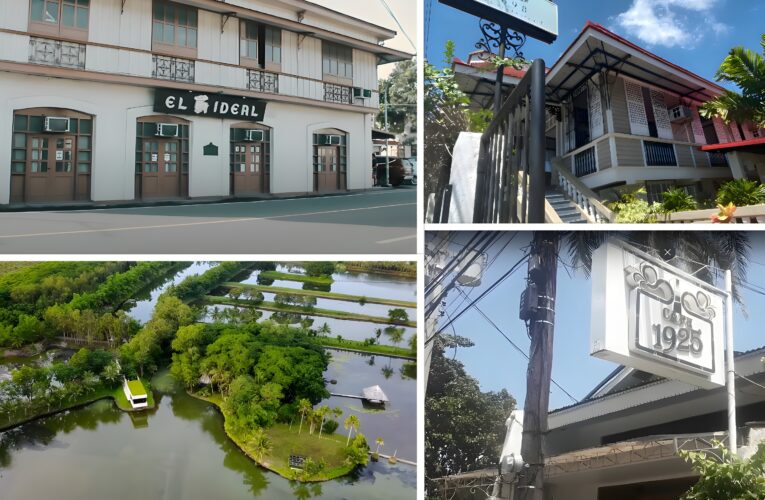
El Ideal Bakery, Silay, Bacolod City

Located just 30 minutes away from Bacolod, El Ideal is a must-visit bakery that dates back to the 1920s and is just as old as its hometown, Silay. Among their specialties is the sweet, tangy, and utterly unique guapple pie, a one-of-a-kind combination of guava and apple delicacy for consumers seeking palate adventures.

They also have ensaymada, a specialty, and hojaldres, puffed biscuits that possess an irresistible crispiness.

Directions.


Upstart & Underrated Pasalubong Places 


Quan Delicacies

A popular restaurant and pasalubong place in the Philippines that serves native delicacies, or “kakanin,” is Quan Delicacies Suman, puto, pichi-pichi, and bibingka are just a few of the traditional Filipino snacks and desserts that they offer, as reported on Tripadvisor. Dinuguan (blood stew) and “Flat Sticks” are two of Quan’s most famous savory dishes. You can order party bilao (platters) and have them delivered through Grab and Foodpanda, in addition to dining in. On top of that, they now have sugar-free options available.

You can visit Quan Delicacies and partake of their homemade and preservative-free offerings at San Juan Street, Bacolod City.

Branches.


Virgie’s Homemade Products

Virgie’s  Homemade Products is known to locals and those “in the know” as the silent luxury of Bacolod’s pasalubong scene. Unlike big commercial brands, Virgie’s keeps its artisan feel. Their Mango Tartlets (₱200/box of 10) and premium fruitcake (₱450) are perfect for special gifts.

Additionally, their cashew-based cookies and yema are must-tries. You can visit Virgie’s at 57 San Sebastian Street, Bacolod City. Price range are from P70 to P500.

Branches.


Sugarlandia Barquillos

Since the 1930s, Sugarlandia Barquillos has been one of the longest-running pasalubong shops in Bacolod, making barquillos, piaya, and pinasugbo by hand. Nothing here strays from tradition, unlike the mass-produced alternatives sold at major chains.

One of the few places that still makes puffy piaya, an older variation that is harder to find today, is Sugarlandia Barquillos. They do have stalls in malls selling pasalubong, but some customers have complained that the prices are too high. The best way to get reasonably priced, authentic Bacolod sweets is to stop by their central location at 36 Yulo Street, Bacolod City. They also sell at the Negros Showroom branches at 9th and Lacson Streets, and at Robinsons Place Bacolod.


Totong’s Barquillos

Since the 1970s, Totong’s Barquillos in Bacolod has been making piaya and barquillos. Its crisp barquillos and traditional piaya have won over locals who swear by them, even though it isn’t as well-known as other pasalubong brands.

Keeping things simple and prioritizing quality over mass production, Totong’s is located on Lizares-Yulo Street, right next to Sugarlandia Barquillos. This is a name to consider if you’re interested in trying a popular yet lesser-known Bacolod pasalubong spot.

But even if you’re in Bacolod, you can just order online


VKP, BACOLOD CITY: FORKS, DELICACIES & SPECIALTIES!


Bacolod City Uncovered: The Soul Behind the City of Smiles

Situated in the center of Negros Occidental, Bacolod City is renowned for its MassKara Festival, delicious sweets, and endless hospitality. Bacolod isn’t simply a place to visit; it’s an experience full of hidden stories, eccentric personalities, and communities that extend beyond the city’s picture-perfect festivals and sugar-coated smiles. Bacolod City is one of the Philippines’ most distinctive cultural enclaves, and this article explores all the reasons why.


The Quietly Influential Artists’ Collective of Barangay 17

The Art District in Mandalagan is known for its murals and bohemian vibe, but Barangay 17 is home to a tight-knit community of underground painters, tattooists, and experimental musicians. This community values uncensored creativity. Punk gigs at sari-sari stores, spoken word in backyard gardens, and zine swaps in tricycle terminals are common.

Hidden Fact: A number of internationally recognized digital artists and animators trace their roots to this area, quietly producing concept art for global studios while sipping kapeng barako in their home studios.


The Sugarcane Whisperers: Life Among the Hacienderos and Sacadas

While the sugar industry’s opulence is often associated with colonial mansions and affluence, Bacolod also tells a parallel story through the lives of sacadas—seasonal laborers whose stories are rich with grit, humor, and resilience.

In contrast, modern-day haciendero families now play a subtler role in the city’s socio-political landscape. Some have transitioned from traditional landowners to community-oriented entrepreneurs and eco-farm advocates.

Hidden Fact: A growing number of young hacienderos are championing regenerative agriculture and sustainable food production, quietly reshaping Negros’ reputation from a monocrop economy to an agroecological pioneer.


Negrosanons of the Night: The LGBTQIA+ Scene with a Twist

Bacolod has long been known as a relatively open-minded city with a thriving LGBTQIA+ community. But beyond the beauty pageants and rainbow flags lies a rich subculture of drag artistry, house ballroom culture, and queer poetry that flourishes in indie cafés and late-night home gatherings.

Unique Character: “Tita Baby,” a 60-year-old transgender woman who runs a neighborhood eatery and mentors young drag queens, is a local legend. She’s credited with bringing the first underground drag ball to Bacolod in the early 2000s.


The Eccentric Foodies and Culinary Traditions You Don’t Hear About

Inasal and piaya are the tourist favorites, but Bacolod’s suburban kitchens and ancestral homes preserve Negrense delicacies like kansi (sour bone marrow soup) and butong-butong. On Sunday mornings, Villamonte and Alijis residents experiment with batchoy ramen, ube chicken inasal, and kape kag tuba pairings.

Hidden Fact: Bacolod is home to a group of home cooks and culinary historians quietly compiling an “unofficial edible archive” of Negrense cuisine, documenting recipes passed down orally for generations.


The MassKara Festival’s Unsung Heroes

Everyone knows about the flamboyant costumes and street dancing, but few know about the backroom heroes — mask-makers in Barangay Sum-ag, fabric artisans in Banago, and percussionists in Taculing. These people spend months preparing, often anonymously, for a festival that the world sees as Bacolod’s face.

Quirk: One of the city’s most prolific mask-makers claims he once created a mask entirely out of discarded rosaries as a tribute to his late mother, turning grief into celebration.


Spiritual Subcultures: Beyond Catholicism

Bacolod, despite Catholicism’s dominance, is a fusion of folk belief systems, indigenous spiritual practices, and esoteric sects. In the outskirts, spiritual guides called “albularyos” and “hermanos/hermanas” conduct healing rites that blend animism with Christian symbolism.

Hidden Fact: In Barangay Granada, there’s an annual secret gathering during the full moon where healers exchange herbal secrets, spiritual chants, and even talismans. Word of mouth is the only method of attendance.


The Silent Innovators and Technophiles

Beyond the heritage homes and sugar mills, Bacolod is quietly positioning itself as a tech-forward city. A number of startups and grassroots tech groups are emerging, particularly from local universities like the University of St. La Salle and Carlos Hilado Memorial State University.

Quirk: The first virtual reality arcade in Western Visayas started in Bacolod as a backyard project by a 19-year-old computer science student—using salvaged parts from old gaming consoles and school computers.


The Jeepney Artists of Libertad

The jeepneys of Bacolod aren’t just transportation—they’re canvases of local folklore, political satire, and even lost love stories. The painters at Libertad terminal often work freelance, painting everything from anime to saints and soap opera quotes.

Hidden Gem: There’s one particular jeepney, nicknamed “The Gospel of Kaldereta,” with its entire exterior painted as a culinary ode to the beloved goat stew—complete with verses and recipes.

Bacolod City is much more than just the City of Smiles. It is a city of paradoxes: ancient yet modern, sacred but eccentric, refined and rebellious. To truly experience Bacolod, one must dig beneath the tourist-friendly surface and embrace the beautiful messiness of its people and culture.

So, the next time you find yourself in Bacolod, take a moment. Step off the main road. Listen to the rustling of sugarcane leaves. Follow the aroma of an unusual dish being cooked. And maybe—just maybe—you’ll find yourself part of a story that doesn’t make it into travel brochures but stays in your heart forever.


VKP, BACOLOD CITY: COLOR, RHYTHMS & CULTURE


How to Stay Safe in Bacolod City: A Vacationer’s Guide for Day and Night

Known as the City of Smiles, Bacolod is one of the most laid-back and tourist-friendly cities in the Philippines. From the vibrant MassKara Festival to its mouthwatering food scene and friendly locals, it’s a top choice for travelers seeking an authentic, culturally rich destination. But like any urban area, safety should always be a top priority—whether you’re exploring during the day or enjoying the nightlife.

This guide offers a comprehensive breakdown of safety tips and local insights to help you make the most of your stay while staying safe and street-smart.

Daytime:
Be Mindful of Your Belongings in Crowded Areas

Popular spots, such as Lacson Street, Capitol Lagoon, SM City Bacolod, and Pope John Paul II Tower , can get busy, especially on weekends and holidays. Use anti-theft bags or wear backpacks in front when walking through busy areas. Don’t flash valuables like expensive phones, jewelry, or large amounts of cash.

Use Legitimate Transportation

Modern jeepneys, Grab, and accredited taxis are generally safe. If hailing a taxi from the street, take note of the plate number and share it with a trusted contact. Avoid using unregistered motorcycle taxis (habal-habal), especially if you’re unfamiliar with the area.

Dress Appropriately and Respect Local Norms

Bacolod is relatively conservative. Casual clothing is fine, but avoid extremely revealing outfits when visiting churches or government buildings. Light, breathable clothing is recommended for the tropical climate, but bring a hat and sunscreen for protection from the sun.

Stay Hydrated and Watch Out for Food Sensitivities

Try the delicious local food—inasal, batchoy, and piaya—but make sure it’s from a clean, reputable establishment. Drink bottled or purified water; avoid tap water unless filtered or boiled.

Stay Informed and Use Maps Offline

Use apps like Google Maps or Maps.me offline in case of signal loss. Ask locals or your hotel for safe routes to walk, especially when heading to less touristy places like Barangay Alangilan (eco-parks) or Sipalay beaches.


Nighttime:
Stick to Well-Lit and Populated Areas

Areas like Lacson Street, Art District, and The Upper East are known for nightlife and are generally safe. Avoid wandering into dark alleys or poorly lit residential areas at night, especially alone.

If you’re bar-hopping in spots like  MO2 Ice, 21 Restaurant Bar, or Art District, limit alcohol intake and never leave your drink unattended. Always go out with a companion or inform someone of your whereabouts.

Use Trusted Rides Late at Night

GrabCar is the most reliable and safe option at night. If Grab is unavailable, ask security personnel or restaurant staff to call a trusted taxi for you.

Be Cautious with Strangers. Bacolodnons are friendly, but exercise common sense. Avoid oversharing personal information or travel plans with people you just met. Politely decline unsolicited help or “tour offers” unless verified through legitimate sources.

Stay in a Secure Accommodation

Choose accommodations with good reviews and a secure reception area. Look for hotels that offer 24-hour front desk service, CCTV, and keycard access. Lock your doors and use the room safe for valuables.

Common Scams and Risks to Watch Out For

Scam/Risk How to Avoid It
Overcharging Tricycle/Taxis Ask for fare estimate or use Grab. Negotiate fare before boarding.
Pickpocketing in Crowded Events Keep your bag in front, avoid large crowds if possible during festivals.
“Friendly Stranger” Scam Don’t follow strangers to secluded areas or let them “help” with ATM transactions.
Motorcycle Snatchers (rare but possible) Avoid using phones while walking on the sidewalk.


Emergency Contacts in Bacolod City


Bacolod City Police Office (BCPO): pnpbacolodpio@gmail.com
BCPO CTOC: 09072780149; 09985987459;460-8575
BCMFC: 09513438092; (034) 467-1067

Police Station 1: 09985987460; 445-2403

Police Station 2: 09985987462; 445-2495

Police Station 3: 09985987464; 474-0209

Police Station 4: 09985987466

Police Station 5: 09985987468; 431-1279; 708-8291

Police Station 6: 09985987470; 445-1557

Police Station 7: 09985987472;431-1301; 446-2802

Police Station 8: 09985987475; 431-1424

Police Station 9: 09985987478; 435-9656

Police Station 10: 09985987480; 4453-424

Tourism Office – Bacolod City Hall: bacolodcitytourismoffice@gmail.com
Emergency (Rescue / Ambulance / Fire): 911 or 166
Barangay Tanods (Local Peacekeepers):
Contact numbers usually posted at barangay halls


Local Tips from Bacolodnons
  • “Gapadayon lang!” – It means “Just keep going!” in Hiligaynon. If you feel lost or confused, ask a local politely—they’re known to help with a smile.
  • Ask for directions in simple terms. Locals may use landmarks instead of street names.
  • During MassKara Festival (October), book accommodations early and expect crowds. Only carry essentials.
Final Reminders for a Safe Bacolod Trip
  • Stay aware, not paranoid.
  • Respect local culture and people.
  • Keep someone updated about your daily itinerary.
  • Trust your instincts—if something feels off, remove yourself from the situation.

Bacolod is one of the safest and most welcoming cities in the Philippines for vacationers. By staying vigilant and following these day and night safety tips, you’ll be able to enjoy the charm, cuisine, and culture that make this city truly unforgettable.

Let the smiles lead the way—but keep your wits about you!

VIAJERO KULTURA PILIPINAS, BACOLOD CITY: READY, JET SET, GO!