

Discover Bacolod’s Rich Heritage and Cultural Identity
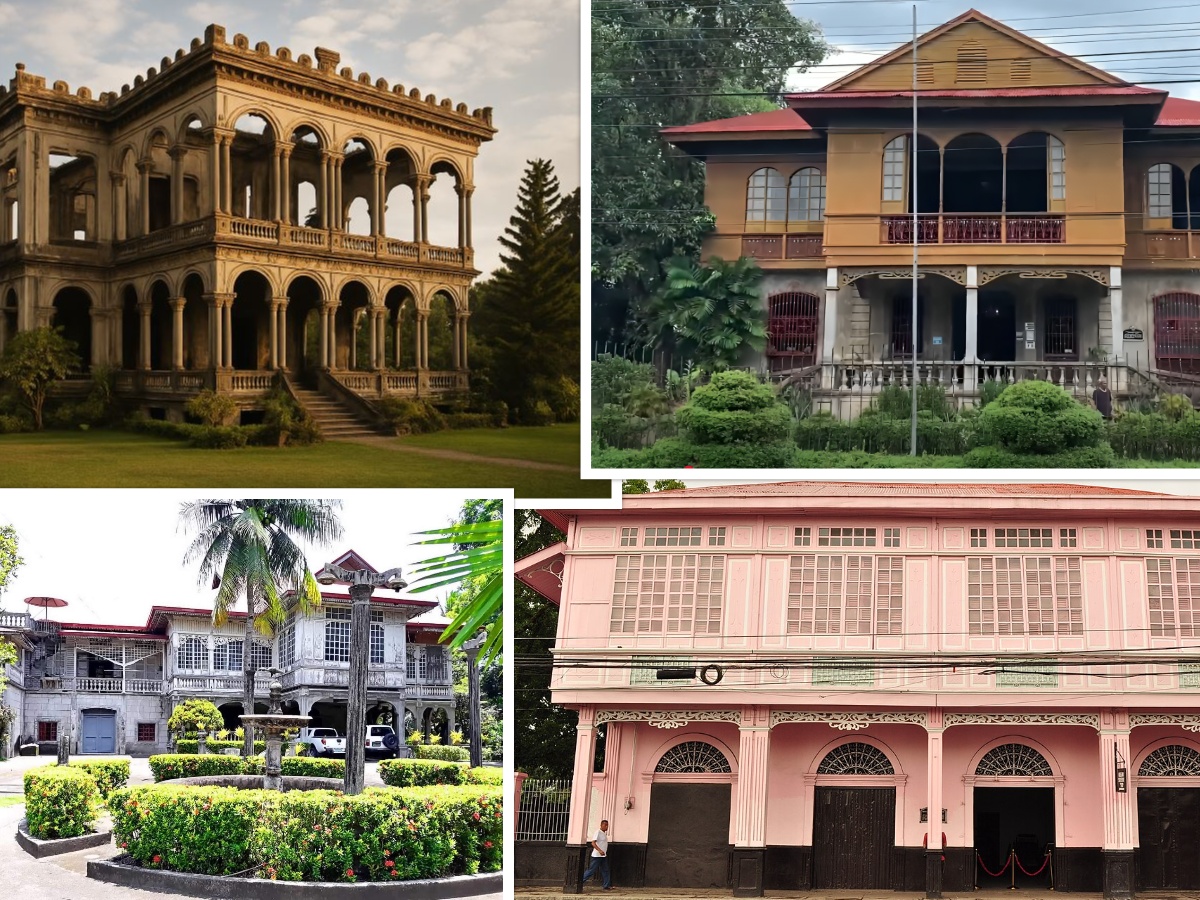
 (Clockwise: The Ruins, Silay; Balay Negrense; Bernardino Jalandoni Museum; and The Yulo House)
Bacolod historical places play a vital role in shaping the city’s identity, offering a deep connection to its colonial past, sugar industry legacy, and enduring traditions. From preserved ancestral houses to iconic landmarks, these heritage sites define the cultural landscape of Bacolod City and nearby areas in Negros Occidental.
The growing interest in Bacolod heritage tours highlights how these sites contribute to tourism, education, and local economic development—making them essential stops for travelers seeking meaningful experiences.
Why Bacolod Historical Places Matter to Tourism
Cultural Identity
These Bacolod historical places reflect the city’s Spanish colonial influence, strong Catholic roots, and the opulence of its sugar baron era.
Educational Value
Students, historians, and travelers gain insights into Negrense lifestyle, governance, and economic history through immersive heritage experiences.
Economic Impact
Heritage tourism drives local income through guided tours, entrance fees, and nearby businesses such as restaurants and souvenir shops.
Sustainable Tourism
Promoting ancestral houses in Bacolod encourages preservation while fostering responsible travel that values history and culture.
Top Bacolod Historical Places and Ancestral Houses
The Ruins (Talisay City)
Known as the “Taj Mahal of Negros,” The Ruins is one of the most iconic historical places in Bacolod. Built in the early 1900s by Don Mariano Ledesma Lacson, this Italianate mansion symbolizes eternal love and resilience.
Despite being destroyed during World War II, its skeletal structure remains a top attraction for photography, weddings, and heritage tours—making it a cornerstone of any Bacolod heritage tour. Directions.
Balay Negrense (Silay City)
A preserved ancestral home-turned museum, Balay Negrense showcases the luxurious lifestyle of a 19th-century sugar baron family. Originally owned by Victor Fernandez Gaston, it highlights the golden age of the sugar industry.
This site is a key destination for those exploring ancestral houses in Bacolod and Silay, offering an authentic glimpse into elite Negrense living. Directions.
Bernardino Jalandoni Museum (The Pink House)
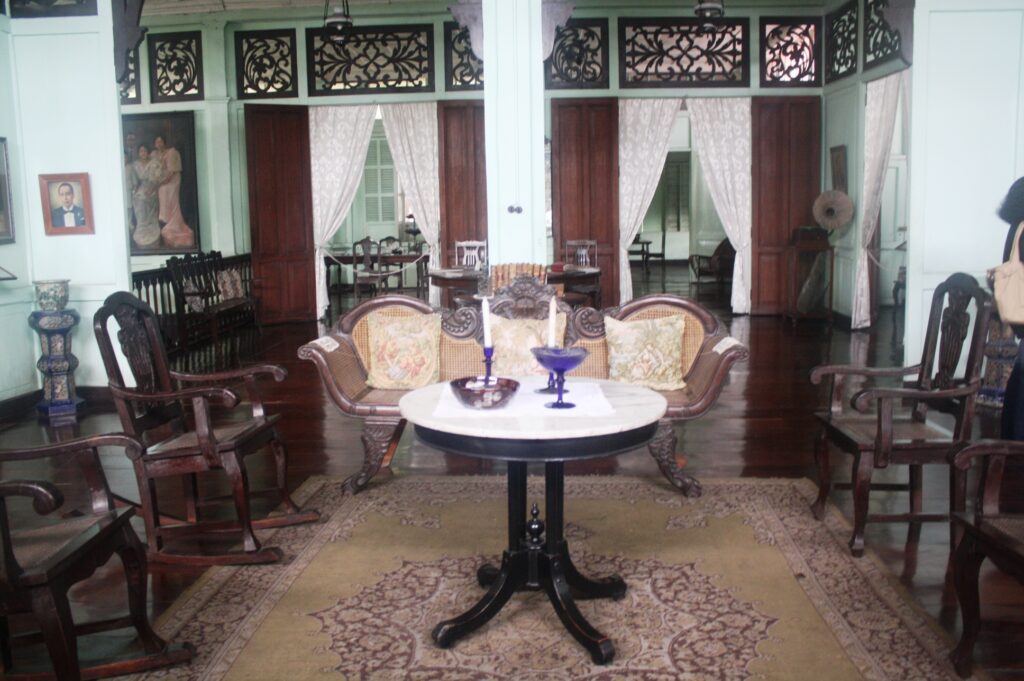
Famous for its pink façade, this heritage home features antique furniture, heirlooms, and historical artifacts. Recognized as the first National Historical Landmark in Silay, it is a vital part of Negros Occidental tourist spots focused on heritage preservation.
The Yulo House (Bacolod City)
Built in 1919 by Don Mariano Yulo, this two-story ancestral home stands within Yulo’s Park in Bacolod. It has hosted significant political gatherings attended by leaders like Manuel L. Quezon and Sergio Osmeña.
The house is also home to antique dining wares, chairs, tables, and mattresses that are utilized for a variety of state affairs. Notable figures, including the late presidents Manuel L. Quezon and Sergio Osmeña, have attended these events.
Recently recognized by the National Museum of the Philippines, the house reinforces Bacolod’s importance in Philippine political and social history.
San Sebastian Cathedral (Bacolod City)
This coral stone cathedral, built in the late 19th century, is a central landmark among Bacolod historical places. Its baroque architecture and religious significance make it a major attraction during Holy Week and local festivals. Directions.
Pope John Paul II Tower (Bacolod City)
Commemorating the 1981 visit of Pope John Paul II, this seven-story tower symbolizes Bacolod’s deep Catholic devotion. It is now a pilgrimage site offering panoramic city views. Directions.
Negros Museum (Bacolod City)
Located in the former Provincial Capitol, the Negros Museum houses artifacts and exhibits that narrate the region’s cultural evolution and sugar industry heritage. It is a must-visit for anyone interested in Bacolod cultural attractions. Directions.
Hofileña Ancestral House (Silay City)
One of the oldest heritage homes in Silay, this residence remains in the hands of the Hofileña family. It features rare collections, including a signature of José Rizal.
Guided tours provide a deeply personal and immersive heritage experience, making it a standout among ancestral houses in Bacolod and Silay. Directions.
Capitol Park and Lagoon (Bacolod City)
This public park, located in front of the Provincial Capitol, is both a leisure destination and a historic civic center. Known for its carabao statues, it reflects the social and political life of Bacolod. Directions.
Other Notable Bacolod Heritage Sites
Additional Bacolod historical places worth exploring include:
Many of these heritage homes have been repurposed into restaurants and event venues, blending history with modern tourism experiences.
Why Bacolod Historical Places Should Be on Your Travel List
Exploring Bacolod’s historical places offers more than sightseeing—it provides a meaningful journey into the heart of Negrense culture, history, and identity. From grand ancestral homes to spiritual landmarks, each site contributes to a richer understanding of Bacolod’s past and present.
For travelers planning a Bacolod heritage tour, these destinations are essential for experiencing the city beyond its modern façade—making every visit both educational and unforgettable.
Explore the best Bacolod historical places and ancestral houses, from The Ruins to Balay Negrense. Discover heritage sites, cultural landmarks, and must-visit attractions in Bacolod City and nearby Silay.